Decoding Probability Distributions in Wheel-Based Formats and Their Role in Shaping Wager Adjustments Across Handheld Platforms
Clara Simon · Jun 5, 2026

Decoding Probability Distributions in Wheel-Based Formats and Their Role in Shaping Wager Adjustments Across Handheld Platforms
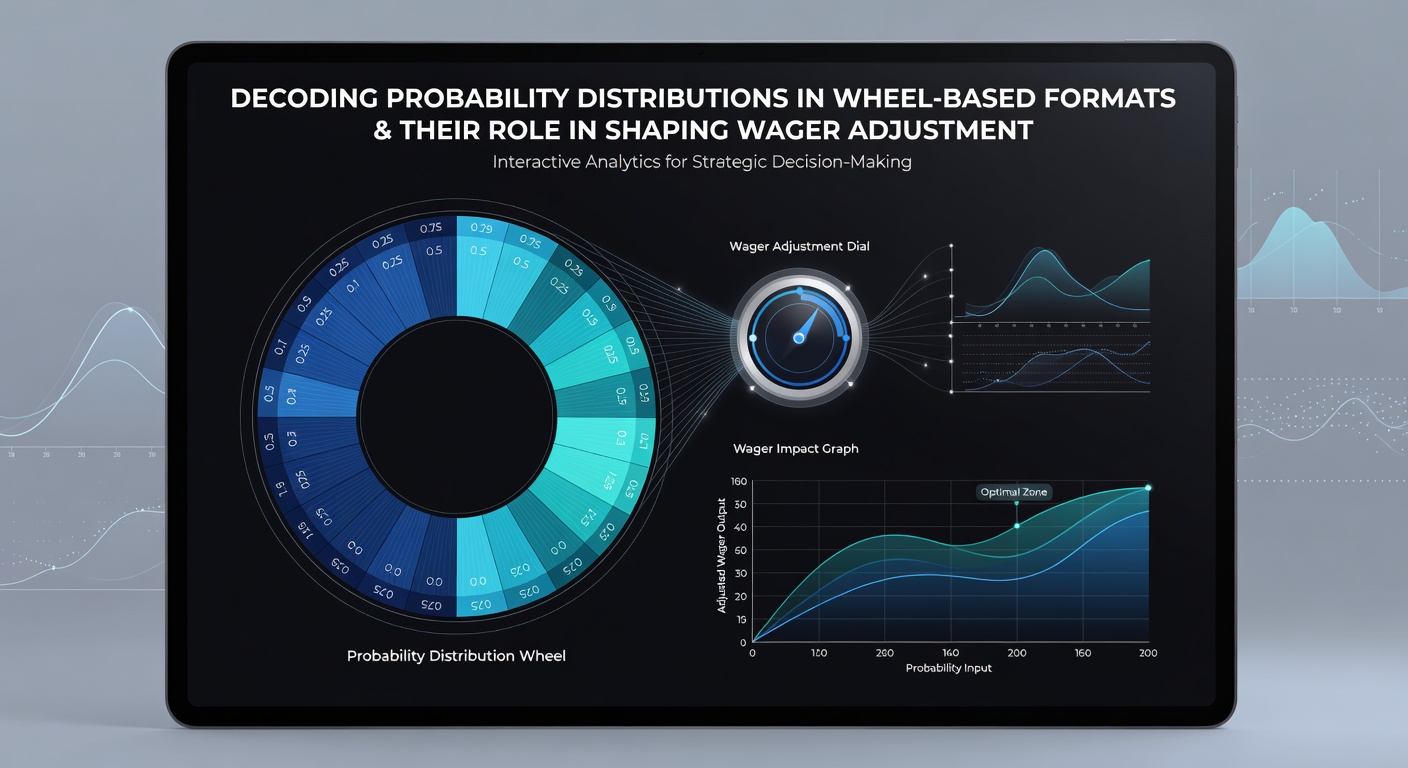
Wheel-based formats in digital gaming rely on defined probability distributions that determine outcome frequencies, and handheld platforms integrate these distributions into algorithms that guide real-time wager adjustments. Standard roulette wheels follow a uniform distribution where each segment carries equal probability, while prize wheels in slot titles often employ weighted distributions that allocate higher chances to lower-value outcomes. Mobile applications process these distributions through certified random number generators that maintain statistical integrity across thousands of spins per second, and operators use the resulting data streams to calibrate bet limits and payout ratios dynamically.
Core Mechanics of Probability Distributions in Wheel Systems
Uniform distributions appear in classic European roulette where 37 pockets each hold a 2.7 percent chance of landing on any given spin, and this structure extends to American variants with 38 pockets that shift individual probabilities to 2.63 percent. Weighted distributions emerge in segmented bonus wheels attached to video slots, where developers assign varying segment sizes based on target return-to-player percentages that range from 94 to 98 percent according to regulatory filings. Handheld devices receive these pre-calibrated distributions through server-side RNG modules that synchronize with local interfaces every few milliseconds, ensuring that displayed wheel animations match underlying probability tables without introducing bias.
Researchers at the University of Nevada, Las Vegas have documented how variance calculations within these distributions influence session length predictions, with lower-variance wheels producing steadier outcome sequences while higher-variance wheels generate longer dry spells punctuated by occasional large results. Platform operators incorporate these variance metrics into their backend systems so that wager sizing tools can recommend bet amounts scaled to a player's current bankroll and historical spin data.
Handheld Platform Adaptations and Real-Time Adjustments
Mobile gaming environments introduce additional layers of distribution management because device sensors and network latency can affect animation smoothness without altering core probabilities. Developers embed adaptive scaling functions that detect connection quality and adjust wheel spin durations accordingly, yet the underlying random outcomes remain governed by the same distribution models used on desktop versions. Data compiled by the New Jersey Division of Gaming Enforcement shows that mobile roulette sessions in regulated markets averaged 142 spins per hour during the first quarter of 2026, and operators responded by tightening minimum bet thresholds on high-variance wheels to maintain responsible play parameters.
Algorithms monitor rolling averages of recent outcomes against expected distribution curves, and when deviations exceed predefined thresholds the system triggers automatic wager scaling that either increases or decreases available bet increments. This process occurs without player intervention in many titles, though users retain manual override options through in-app settings menus.
Influence on Wager Patterns Across Jurisdictions
Regulatory frameworks in different regions require operators to publish distribution tables and RTP figures, which in turn shape how wager tools respond to player behavior. In Australian markets, state-level oversight mandates that wheel-based games display probability breakdowns on demand, leading developers to integrate quick-reference overlays that explain segment chances before each spin sequence begins. Canadian provincial regulators have tracked similar implementations, noting that transparent distribution data correlates with more stable average bet sizes across extended play periods.
June 2026 saw several handheld platforms introduce distribution-aware bet builders that factor in both historical player data and current wheel segment probabilities when suggesting stake levels. These tools pull from aggregated datasets that span multiple jurisdictions, allowing cross-border operators to maintain consistent adjustment logic while complying with local variance reporting rules. Observers note that such systems reduce instances of rapid bet escalation because suggested amounts stay anchored to statistical expectations rather than recent wins or losses.
Technical Implementation and Data Integration
Server architecture supporting these platforms stores distribution parameters in lookup tables that update whenever game mathematics receive certification from independent testing laboratories. Each handheld session pulls a fresh seed from the central RNG, applies the relevant distribution weights, and then streams outcome results back to the device for animation rendering. Middleware layers translate raw probability outputs into visual wager recommendations, displaying them as adjustable sliders or preset buttons that reflect risk tiers derived from distribution variance scores.
Integration with player tracking systems allows further refinement, where individual session histories inform whether the platform should emphasize conservative or aggressive bet ranges for that account. This personalization operates within strict regulatory boundaries that prevent the system from encouraging play beyond self-imposed limits.
Conclusion
Probability distributions embedded in wheel-based formats provide the mathematical foundation that handheld platforms use to generate consistent random outcomes while enabling dynamic wager adjustments. As regulatory reporting requirements expand and mobile technology continues to advance, operators maintain these systems through ongoing certification processes and real-time monitoring protocols that preserve both fairness and operational efficiency across global markets.