Feedback Mechanisms Influencing Live Casino Prioritization on Mobile Devices
Amir Lehmann · Aug 3, 2026
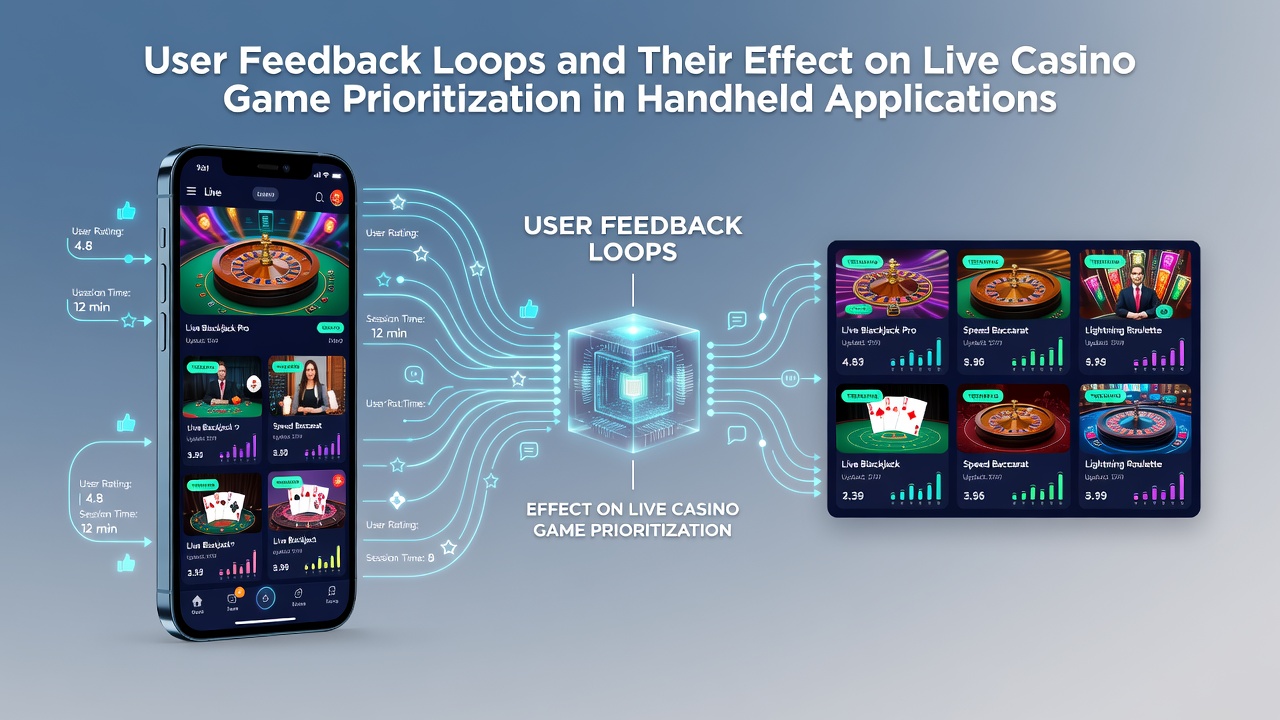
Feedback Mechanisms Influencing Live Casino Prioritization on Mobile Devices
Operators in the handheld gaming sector collect continuous streams of player data through ratings, session durations, chat interactions, and complaint logs, then feed those inputs back into development pipelines that decide which live dealer titles receive updates or feature placement. Data shows these loops operate on cycles ranging from daily metric reviews to quarterly strategy shifts, and they directly determine resource allocation for games such as roulette, blackjack, and baccarat variants.
Data Collection Points in Handheld Environments
Applications record every swipe, tap, and dwell time while users browse lobbies or participate in real-time tables, and these metrics combine with explicit surveys that ask players to rank enjoyment levels after each session. Research from the University of Nevada, Las Vegas indicates that session length serves as a stronger predictor of retention than star ratings alone, which leads teams to adjust camera angles, dealer scripts, and betting interfaces accordingly. Government figures from the Australian Communications and Media Authority reveal that mobile live dealer traffic grew 18 percent year-over-year through mid-2026, with feedback volume increasing at a comparable rate.
Teams segment the incoming information by device type, operating system version, and geographic region, then apply weighted algorithms that surface titles showing rising engagement curves while deprioritizing those with declining completion rates. This segmentation allows rapid identification of regional preferences, such as higher demand for speed baccarat in certain Asian markets versus slower European-style variants elsewhere.
Impact on Game Development Roadmaps
Once patterns emerge from aggregated feedback, producers schedule targeted enhancements that include new camera perspectives, additional side bets, or localized dealer languages, and these changes roll out through phased app updates that reach select user cohorts first. Observers note that titles receiving iterative refinements based on loop data maintain longer visibility in recommendation carousels, while static games drop in ranking within weeks. In August 2026, several major platforms reported reallocating development hours toward titles that had accumulated the highest volume of positive chat transcripts during peak evening hours.
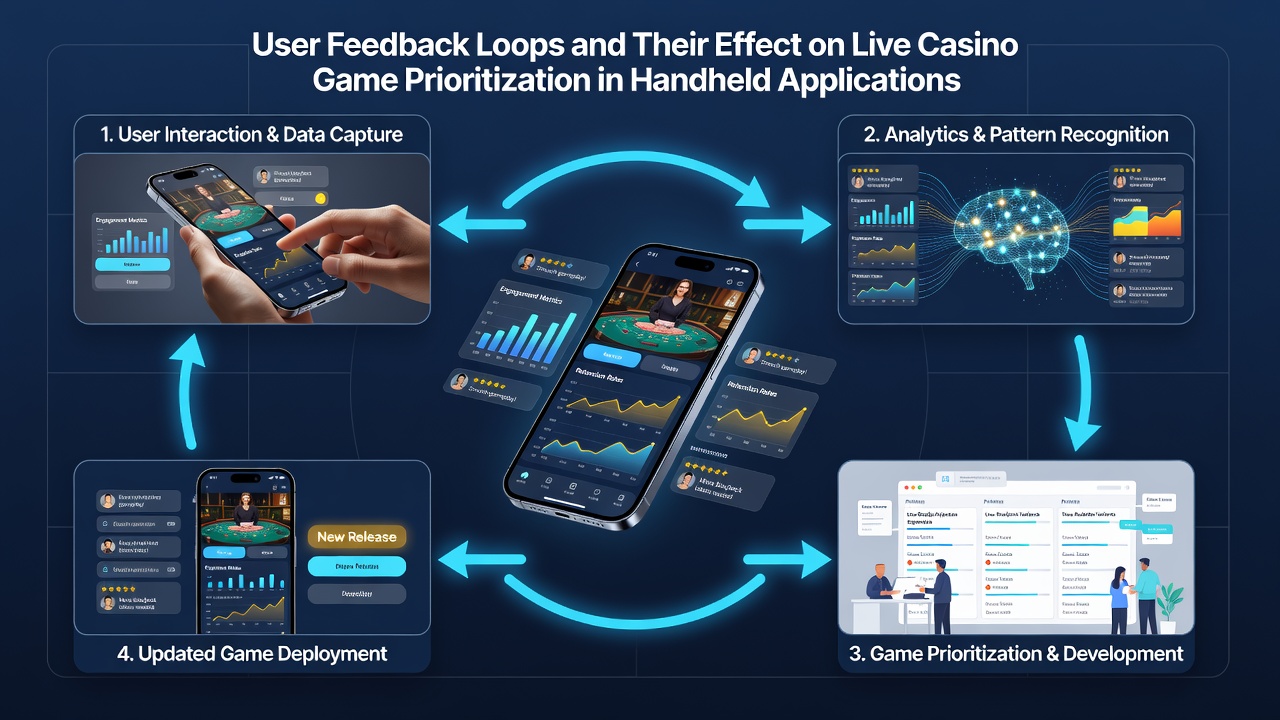
Stakeholders also monitor negative signals such as abrupt session terminations or repeated support tickets, then route those cases to quality assurance teams for immediate investigation. When recurring issues surface, such as lag during peak loads or unclear rule prompts, the affected game receives temporary demotion in search results until fixes deploy. This corrective mechanism prevents wider churn and preserves overall platform trust levels.
Regional Variations and Regulatory Influences
Platforms operating across multiple jurisdictions adapt feedback thresholds to comply with local rules, and data from the Singapore Gambling Regulatory Authority shows that operators must document how player comments influence content decisions when applying for license renewals. Canadian provincial reports similarly highlight requirements for transparent prioritization processes, particularly when user complaints involve fairness perceptions. These regulatory expectations encourage operators to maintain auditable records of every loop iteration and resulting change.
Cross-border comparisons further reveal that North American users submit feedback more frequently through in-app forms, whereas users in other markets rely more on social media mentions that developers scrape and incorporate into internal dashboards. Such differences require distinct processing pipelines yet produce comparable effects on which live dealer formats advance to premium placement.
Conclusion
Feedback loops continue to serve as the primary driver for live casino game prioritization within handheld applications, with collected metrics shaping everything from minor interface tweaks to full feature overhauls. Industry reports confirm that operators relying on structured input cycles achieve higher average session times and lower uninstall rates compared with those using less systematic approaches. As mobile infrastructure expands and data volumes rise, the mechanisms linking player responses to content decisions will remain central to competitive positioning across the sector.