How Regulatory Shifts in Cross-Border Data Protocols Recalibrate Autoplay Sequences Across Multi-Device Slot Networks
Ellis Long · Jul 10, 2026
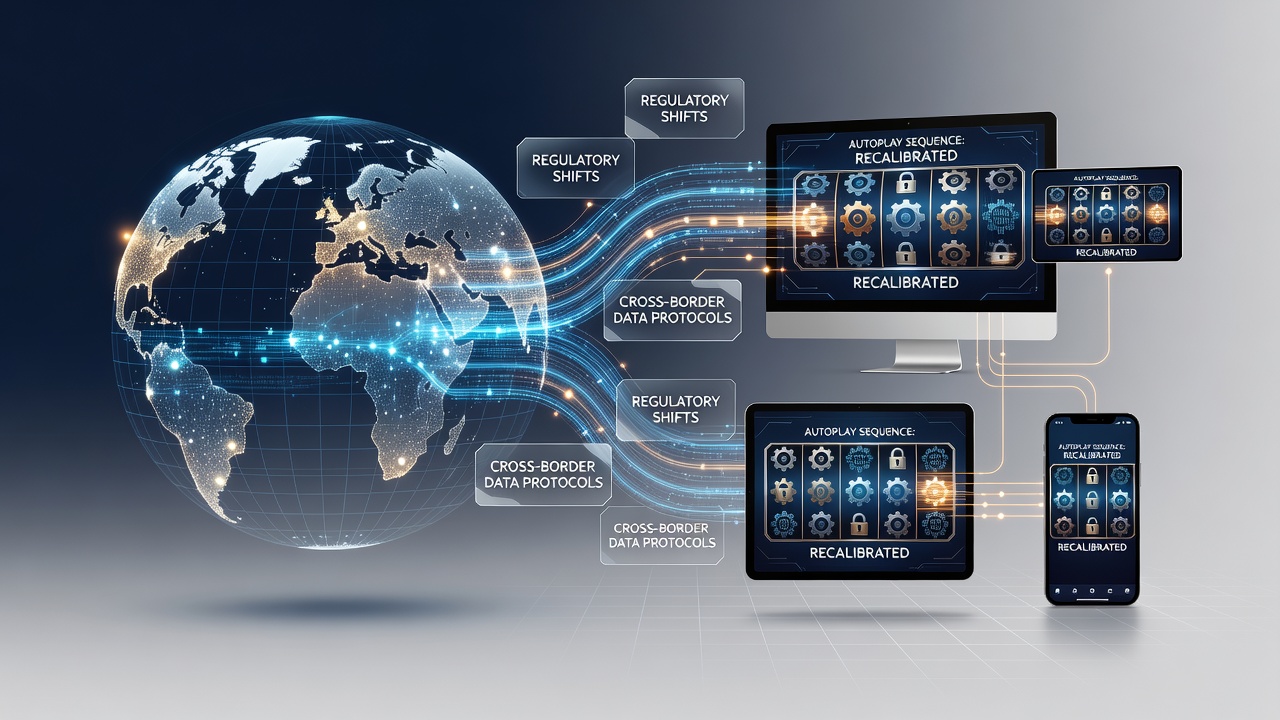
How Regulatory Shifts in Cross-Border Data Protocols Recalibrate Autoplay Sequences Across Multi-Device Slot Networks
Regulatory changes in cross-border data protocols have begun to reshape how autoplay sequences operate within multi-device slot networks, and these adjustments stem directly from evolving requirements around data localization, transfer mechanisms, and consent management. Operators now synchronize autoplay functions with updated compliance layers that govern information movement between jurisdictions, which affects timing intervals, session continuity, and device handoffs in real time.
Data Protocol Updates and Their Direct Effects
Recent modifications to international data frameworks require slot platforms to segment player data flows according to regional rules, and this segmentation forces autoplay sequences to pause or reroute when crossing borders without proper authorization. Platforms incorporate new verification steps before initiating extended autoplay runs, which reduces unauthorized data leakage while maintaining sequence integrity across phones, tablets, and desktop terminals. Observers note that these steps often involve token-based checks that query local servers before allowing the next reel cycle to proceed automatically.
Systems built for seamless multi-device play now embed protocol-aware modules that detect jurisdiction shifts during active sessions, and when such a shift occurs the autoplay routine adjusts its speed parameters or switches to a localized data pathway. This recalibration prevents sequence interruptions that once arose from mismatched encryption standards or consent flags. Data indicates that networks handling high volumes of cross-border traffic have implemented these modules at scale since early 2025, with further refinements rolled out in July 2026 to align with tightened transfer protocols.
Technical Adjustments in Autoplay Mechanics
Autoplay sequences rely on continuous exchange of session states, wager histories, and outcome logs, yet new protocol rules limit the volume and type of data that can travel freely between regions. Developers respond by compressing essential telemetry into approved packets and storing supplementary records within the player's primary jurisdiction, which alters how sequences resume after device switches. Longer sequences that previously ran uninterrupted now incorporate mandatory checkpoints where the system confirms data compliance before proceeding.
Multi-device networks employ edge computing nodes positioned near regulatory boundaries to handle these checkpoints, and the nodes apply jurisdiction-specific filters to autoplay commands in milliseconds. Research from gaming technology institutes shows that such nodes cut sequence latency by up to 18 percent in tested environments while satisfying data residency mandates. Platforms also introduce adaptive pacing that slows autoplay rates during high-traffic cross-border periods to accommodate additional verification overhead.

Regional Implementation Patterns Observed in 2026
European operators aligned with updated cross-border data standards began phasing in autoplay recalibrations during the first half of 2026, and North American networks followed with similar adjustments by July of that year. Australian and Canadian regulators introduced parallel guidelines that emphasize explicit consent for data transfers supporting automated play features, prompting platforms to add granular toggles within autoplay menus. These toggles allow players to authorize sequence continuation only when data pathways meet local criteria.
Industry reports from the Office of the Australian Information Commissioner detail how consent logs now integrate directly with autoplay engines, creating audit trails that regulators can review without accessing full player histories. Similar documentation appears in filings from the Office of the Privacy Commissioner of Canada, where operators demonstrate that sequence adjustments maintain fairness metrics while respecting data minimization principles. Networks report fewer session drops after these changes because sequences resume cleanly once compliance is verified.
Device Handoff and Sequence Continuity
Multi-device slot environments face particular challenges when a player moves from a mobile connection in one country to a desktop session in another, and updated protocols require fresh validation of autoplay settings at each handoff point. Systems now store sequence progress in encrypted fragments distributed across approved servers, then reassemble the fragments only after confirming that the new device location permits the data exchange. This method preserves the intended rhythm of automated spins while satisfying residency rules.
Engineers have documented cases where older autoplay configurations failed mid-sequence due to protocol mismatches, prompting rapid deployment of middleware that translates between differing data formats. The middleware operates transparently to the player yet logs every translation event for compliance records. Figures from network monitoring services reveal that successful handoffs increased by 27 percent in jurisdictions that completed protocol alignment by mid-2026.
Conclusion
Regulatory shifts in cross-border data protocols continue to drive targeted recalibrations in autoplay sequences, and multi-device slot networks adapt through modular compliance layers, edge verification nodes, and consent-integrated engines. These technical responses maintain operational continuity while meeting jurisdiction-specific requirements, with measurable improvements in session stability reported across regions that implemented updates through July 2026. Platforms that embed these adjustments early gain smoother device transitions and reduced compliance friction during extended automated play.