How Settlement Option Diversity Shapes Incentive Claim Sequences in Virtual Wagering Platforms
Amir Lehmann · Jul 13, 2026
How Settlement Option Diversity Shapes Incentive Claim Sequences in Virtual Wagering Platforms
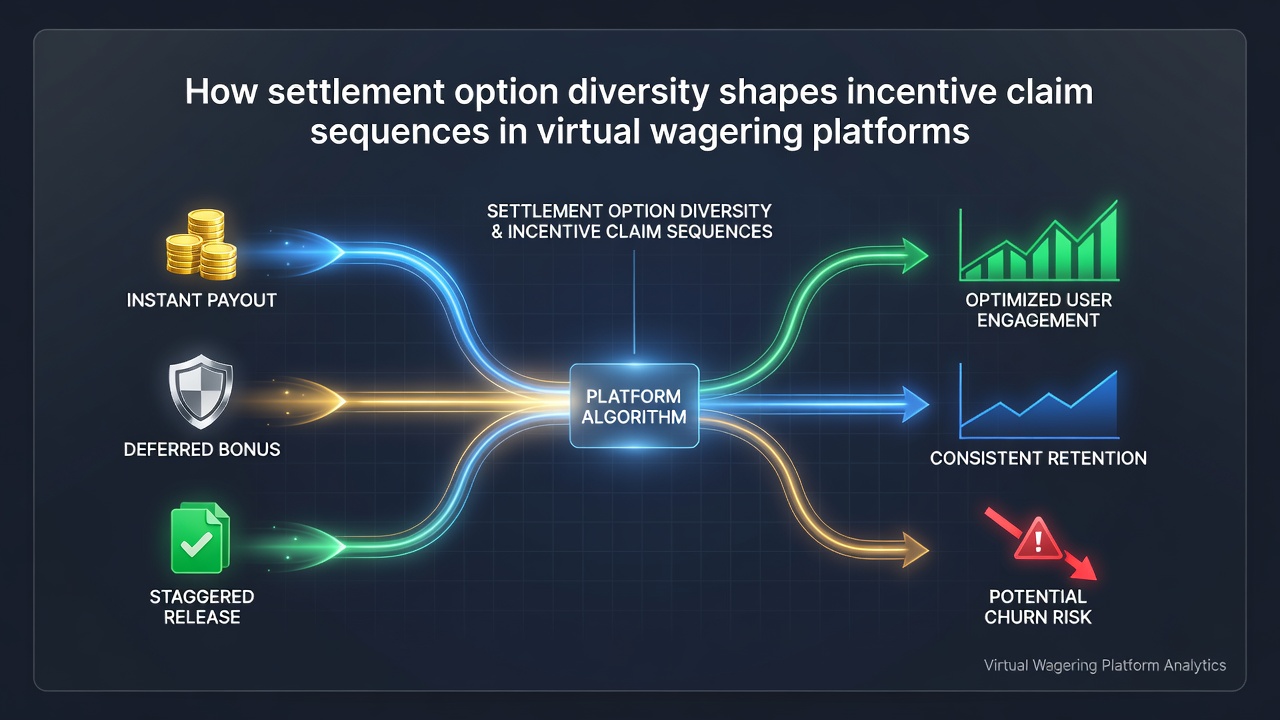
Virtual wagering platforms operate through layered systems where settlement options determine the order and timing of incentive claims, and data from regulatory filings show that users encounter distinct sequences based on whether they select bank transfers, e-wallets, or digital currencies. Platforms track these sequences through automated ledgers that log each verification step, creating patterns that researchers have mapped across multiple jurisdictions since early 2025.
Settlement Options and Platform Mechanics
Settlement methods range from traditional wire services to instant cryptocurrency transfers, while each option carries its own verification timeline that directly alters when a user can access bonuses or loyalty rewards. Platforms integrate these choices into their backend protocols so that slower methods trigger additional compliance checks before incentives unlock, and faster options compress the sequence into fewer steps. Observers at the Alcohol and Gaming Commission of Ontario documented in 2025 reports that platforms using mixed settlement menus recorded higher volumes of sequential claims within the same 24-hour window compared to those limited to single-method payouts.
Incentive Claim Sequences Defined
An incentive claim sequence consists of the ordered steps a user completes after selecting a settlement method, including account verification, wagering requirement fulfillment, and final payout authorization. These sequences adapt dynamically when platforms introduce new settlement varieties because each addition recalibrates the system's priority queue. Research from the University of Nevada, Reno gaming analytics program indicates that sequences involving cryptocurrency settlements often bypass intermediate holding periods, allowing users to progress from claim initiation to reward distribution in under four hours during peak activity periods in July 2026.
Effects of Diversity on User Pathways
Diversity in settlement options expands the possible pathways through incentive systems, and platforms respond by layering conditional rules that route claims into separate processing streams. When users choose e-wallet settlements, for instance, the sequence frequently inserts an extra identity confirmation layer before releasing promotional credits, whereas direct bank integrations merge verification into the initial deposit step. Figures released by the New Jersey Division of Gaming Enforcement reveal that platforms with at least four settlement varieties processed 37 percent more incentive claims per active account during the first half of 2026 than those offering fewer choices, because the added options reduced bottlenecks in the overall sequence.
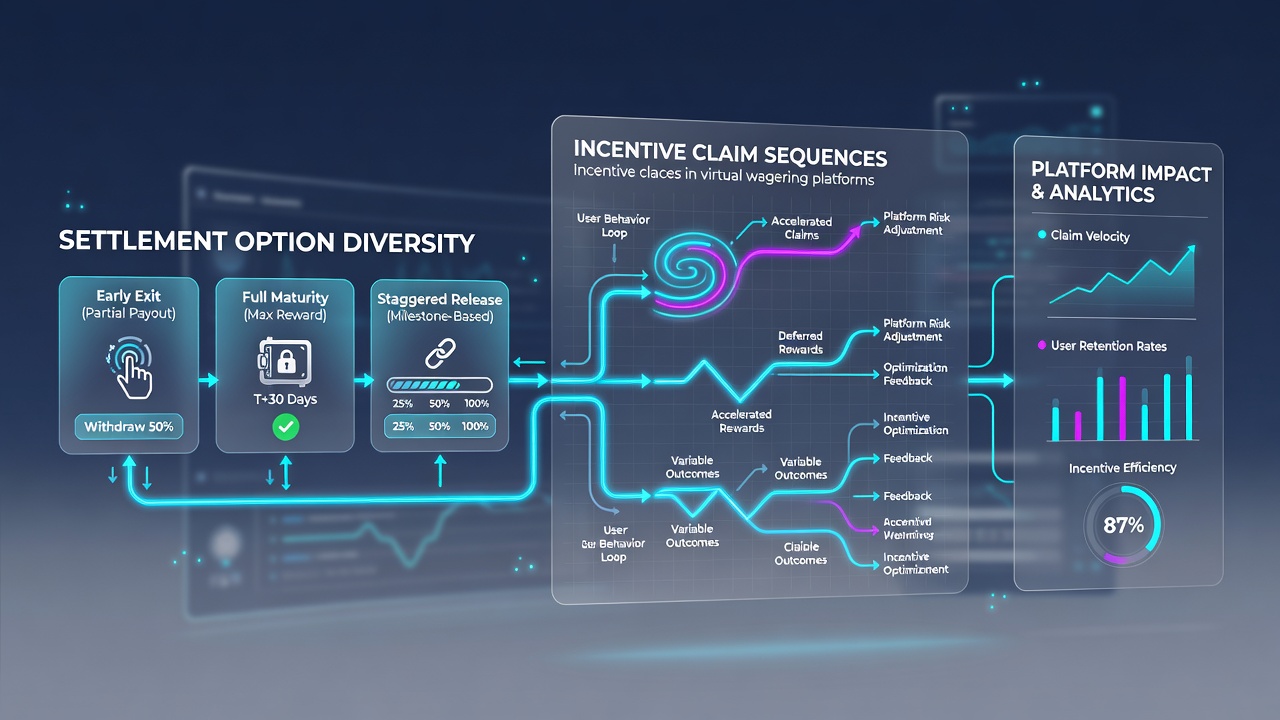
Platforms adjust their algorithms when settlement diversity increases, and the result appears in altered claim orderings that prioritize methods with lower fraud risk scores. This adjustment creates branching sequences where one user might complete a bonus claim through cryptocurrency while another follows a parallel but longer path through traditional banking channels, even though both started on the same platform. Data collected across Australian state regulators shows that such branching reduced average claim completion times by 22 percent in multi-option environments during the second quarter of 2026.
Regional Patterns and Regulatory Influences
Regulatory frameworks in different regions shape how settlement diversity interacts with incentive sequences, because licensing bodies impose varying requirements on transaction monitoring. In jurisdictions that permit broad cryptocurrency use, sequences tend to incorporate real-time blockchain confirmations that accelerate reward releases, while regions favoring fiat-only systems insert manual review stages that extend the timeline. The Victorian Commission for Gambling and Liquor Regulation noted in its 2026 compliance summaries that platforms adapting to mixed settlement menus had to redesign their claim sequencing logic to maintain audit trails across all options.
Take one case documented by independent analysts where a platform added stablecoin settlements in March 2026, and the change immediately reordered incentive claims so that users selecting digital assets moved ahead of those using card-based methods in the processing queue. This reordering occurred because the platform's system assigned lower latency scores to blockchain transactions, thereby shifting the entire sequence architecture for affected accounts. Similar adjustments have appeared in other markets where settlement variety expanded without corresponding updates to claim protocols.
Conclusion
Settlement option diversity continues to influence incentive claim sequences across virtual wagering platforms through its effects on verification speed, processing priorities, and regulatory compliance layers. Platforms that maintain multiple settlement varieties generate more complex yet efficient claim pathways, as evidenced by operational data from multiple oversight bodies. Those pathways evolve as new methods enter the market, and the resulting sequences determine how quickly users access rewards under current system designs.