Mapping Payment Processor Trends to Cross-State Live Dealer Accessibility
Greta Wagner · Aug 19, 2026
Mapping Payment Processor Trends to Cross-State Live Dealer Accessibility
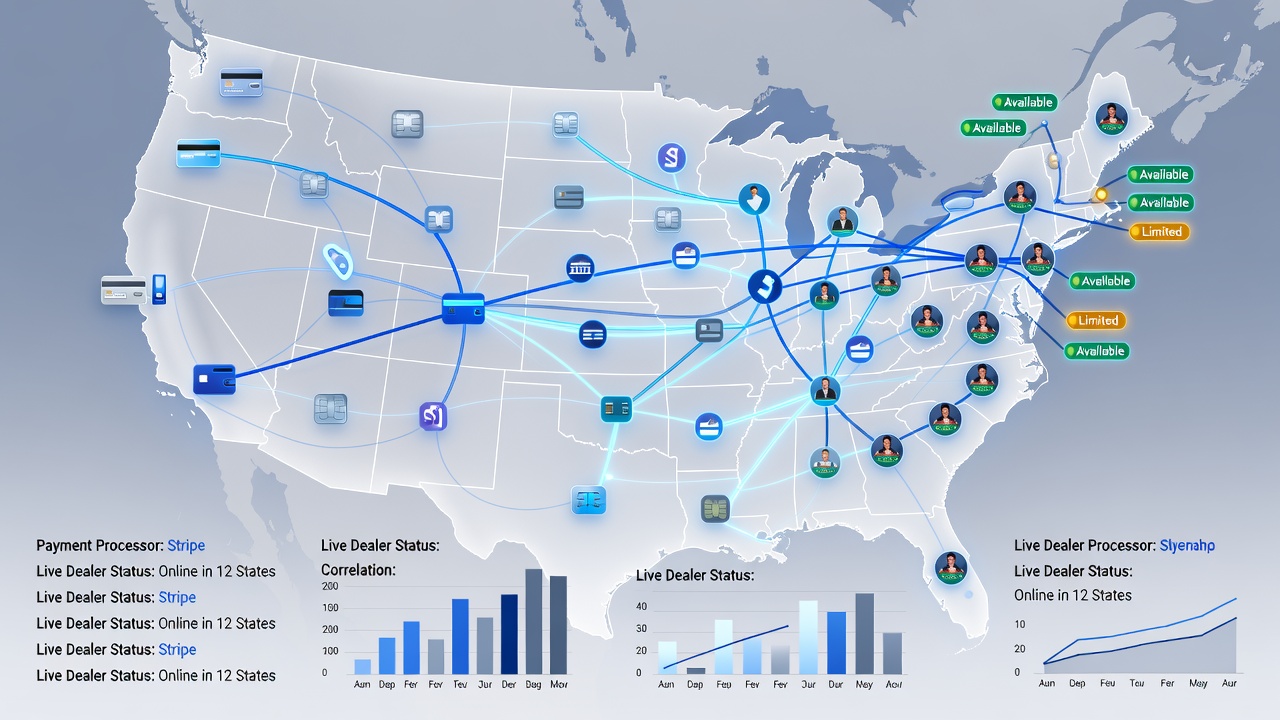
Payment processor selections show measurable correlations with live dealer game availability when operators expand across state lines, according to transaction logs compiled by several regional gaming authorities. Researchers tracking these patterns note that certain processors dominate in states with mature online casino frameworks while others appear more frequently in emerging markets where regulatory approvals arrived later. Data collected through 2025 and into mid-2026 reveals that processors supporting faster settlement times tend to align with higher live dealer table counts in states like New Jersey and Pennsylvania.
Processor Categories and Regional Patterns
Traditional credit card networks maintain steady usage in states with established licensing since 2013, yet digital wallet options have gained ground in newer jurisdictions where operators launched mobile-first platforms. Studies from the New Jersey Division of Gaming Enforcement indicate that e-wallet transactions account for a larger share of live dealer sessions in Pennsylvania compared with in-state credit card volumes. Meanwhile, operators in Michigan and West Virginia display different distributions, with prepaid voucher systems appearing more often during initial market entries.
August 2026 figures from multi-state operators show that states permitting both online slots and table games report processor diversification rates nearly double those seen in slot-only environments. This shift coincides with increased demand for real-time dealer interactions, which require processors capable of handling frequent small-value transfers without triggering additional verification layers. Observers tracking these developments point to settlement speed as a key variable that influences which live dealer titles operators choose to promote in each state.
Cross-Border Data Correlations
Analysis of aggregated transaction records demonstrates that processors with multi-state compliance certifications enable smoother transitions when players move between approved jurisdictions. One dataset covering the first half of 2026 found that accounts using the same processor across state lines experienced fewer interruptions in live dealer access during travel periods. In contrast, players relying on state-specific banking methods encountered more frequent onboarding steps when crossing into new regulatory zones.
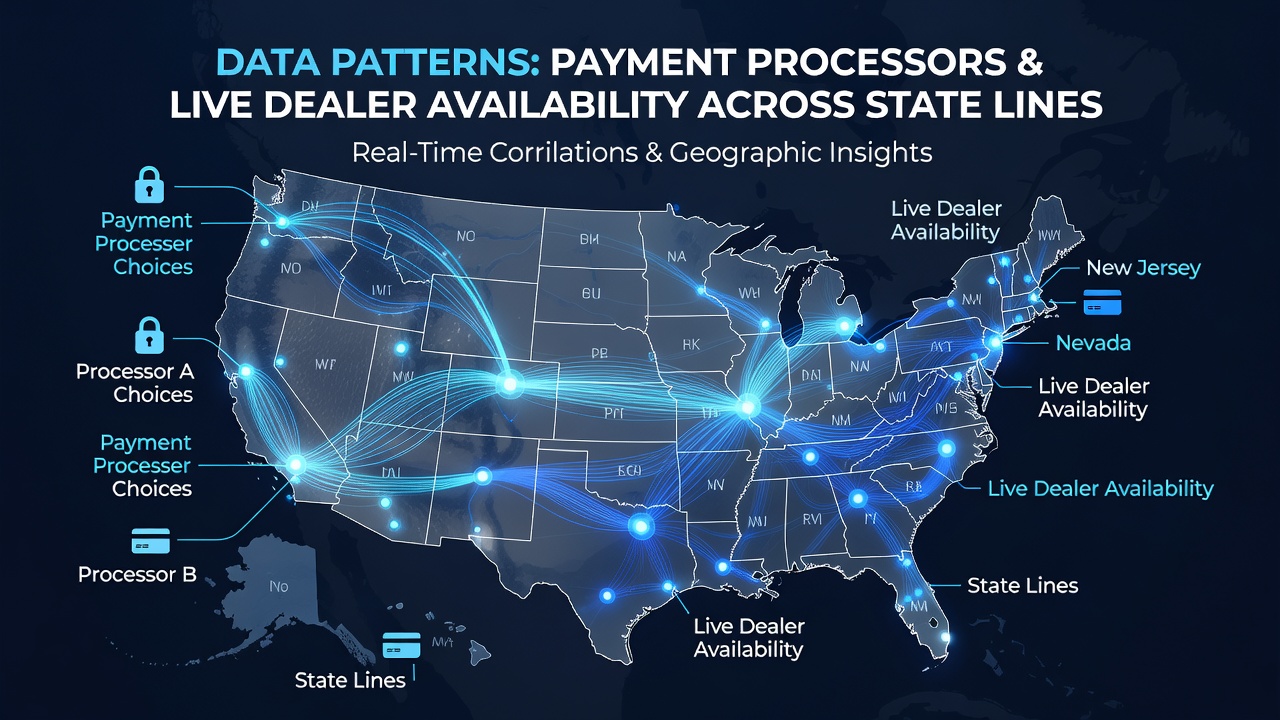
Industry reports compiled by the American Gaming Association highlight that operators prioritizing processors with built-in geofencing tools maintain more consistent live dealer libraries across borders. These tools help verify player location at the moment of deposit, which aligns with stricter availability rules in certain states. Data patterns further suggest that cryptocurrency processors appear in higher concentrations within states that introduced online gaming legislation after 2021, possibly due to their adaptability to evolving compliance requirements.
Settlement Speed and Availability Metrics
Live dealer availability expands most rapidly in states where average settlement times fall below three hours, according to operational data shared at industry conferences. Processors meeting this threshold correlate with broader table game selections, including blackjack, roulette, and baccarat variants streamed from multiple studios. States with longer average processing windows show narrower selections limited primarily to high-volume titles during peak evening hours.
Researchers examining 2026 transaction volumes note that processors integrated with automated tax reporting features appear more frequently in states requiring real-time revenue tracking. This technical alignment reduces administrative friction for operators and supports expanded live dealer offerings without additional manual oversight. Patterns emerge most clearly when comparing adjacent states that adopted online gaming at different times, revealing how processor choice influences rollout pacing.
Implications for Future Expansions
Current datasets point toward continued growth in processor diversity as more states finalize online gaming regulations. Operators appear to favor methods that support both fiat and digital currencies when preparing for multi-state launches, a trend visible in planning documents filed with gaming control boards. These choices directly affect which live dealer environments become accessible to players traveling or relocating across state lines.
Conclusion
Transaction records and regulatory filings together illustrate clear linkages between payment processor capabilities and the scope of live dealer availability across jurisdictions. As additional states implement frameworks, the documented patterns provide operators with measurable indicators for planning expansions while maintaining compliance with location-specific rules. Continued monitoring of these correlations will likely shape how live dealer networks scale in coming years.