Payment Technology Ties Reshape Limited-Time Offer Windows in Multi-Device Table Networks
Greta Wagner · Jul 27, 2026
Payment Technology Ties Reshape Limited-Time Offer Windows in Multi-Device Table Networks
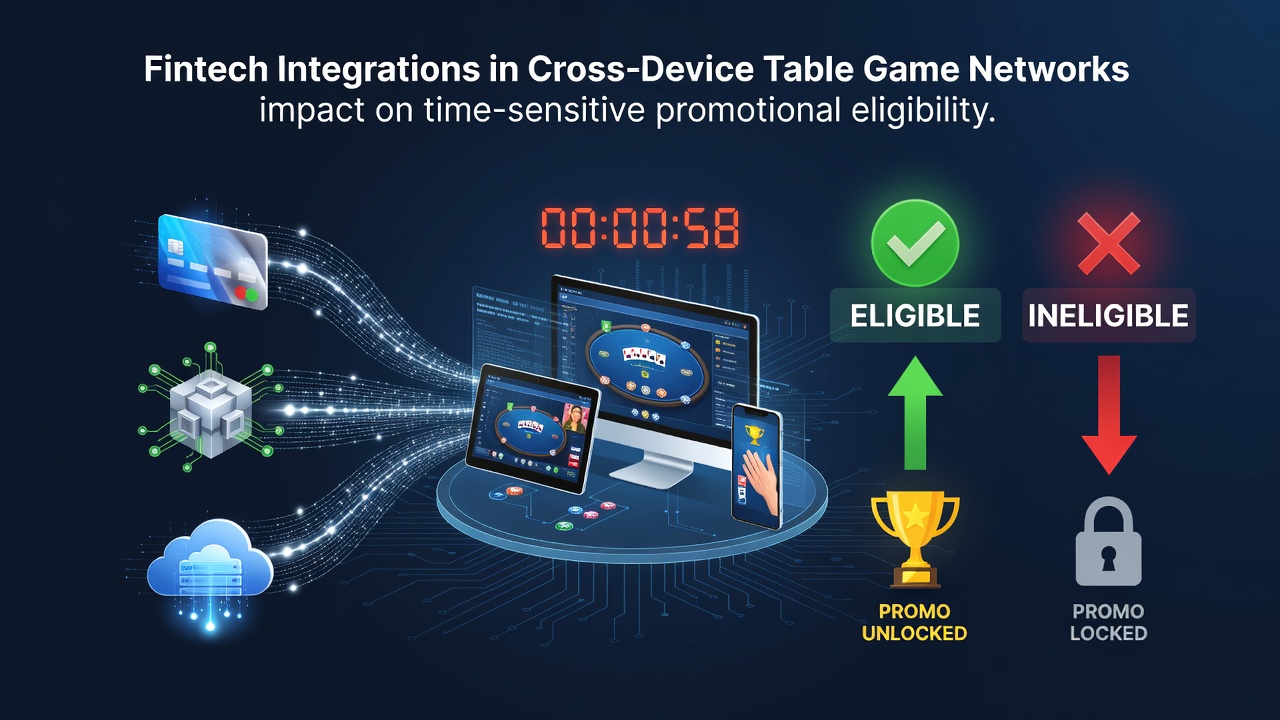
Payment technology connections now link banking rails directly to gaming platforms, and this integration alters how time-bound promotional eligibility registers across phones, tablets, and desktop setups in table game networks. Real-time verification tools process deposits and withdrawals within seconds, which means eligibility checks for bonuses tied to specific hours or days operate on synchronized clocks rather than delayed batch updates.
Data from the Nevada Gaming Control Board shows transaction volumes in digital table environments rose 22 percent during the first half of 2026, with many operators noting faster eligibility confirmation once fintech layers replaced older batch processing. Those who track these systems observe that cross-device handoffs no longer reset promotion timers when users switch from mobile to browser sessions, because API handshakes maintain a single eligibility record.
Core Components of Fintech Integration
Application programming interfaces connect payment processors to game servers while encryption protocols secure each step, and this architecture allows eligibility engines to query account status without waiting for end-of-day reconciliation. Wallet services that support instant funding feed directly into promotion databases, so a deposit completed on a tablet registers the same eligibility window whether the player later opens a desktop client or returns via phone app.
Observers note that settlement speed determines whether a time-sensitive offer activates before its cutoff, and studies from the University of Nevada, Reno gaming research group indicate that networks using instant verification cut eligibility disputes by roughly 35 percent compared with legacy systems. Multi-factor authentication layers add another checkpoint, yet they operate within the same sub-second window so players rarely notice delays.
Time-Sensitive Promotions in Practice
Operators run hourly or daily windows that grant extra table game credits or reduced rake when certain funding methods are used, and fintech integrations track these windows through centralized ledgers that update across every connected device. A player who qualifies on a mobile app at 8:15 p.m. retains that status when switching to a desktop browser at 8:45 p.m., because the eligibility flag travels with teh account rather than remaining tied to the original session.
Figures released in July 2026 by the New Jersey Division of Gaming Enforcement revealed that 48 percent of table game promotional redemptions now occur across at least two device types within a single offer period, up from 29 percent two years earlier. This shift traces directly to API-driven record sharing that replaced device-specific cookies or local storage flags.
Cross-Device Network Effects
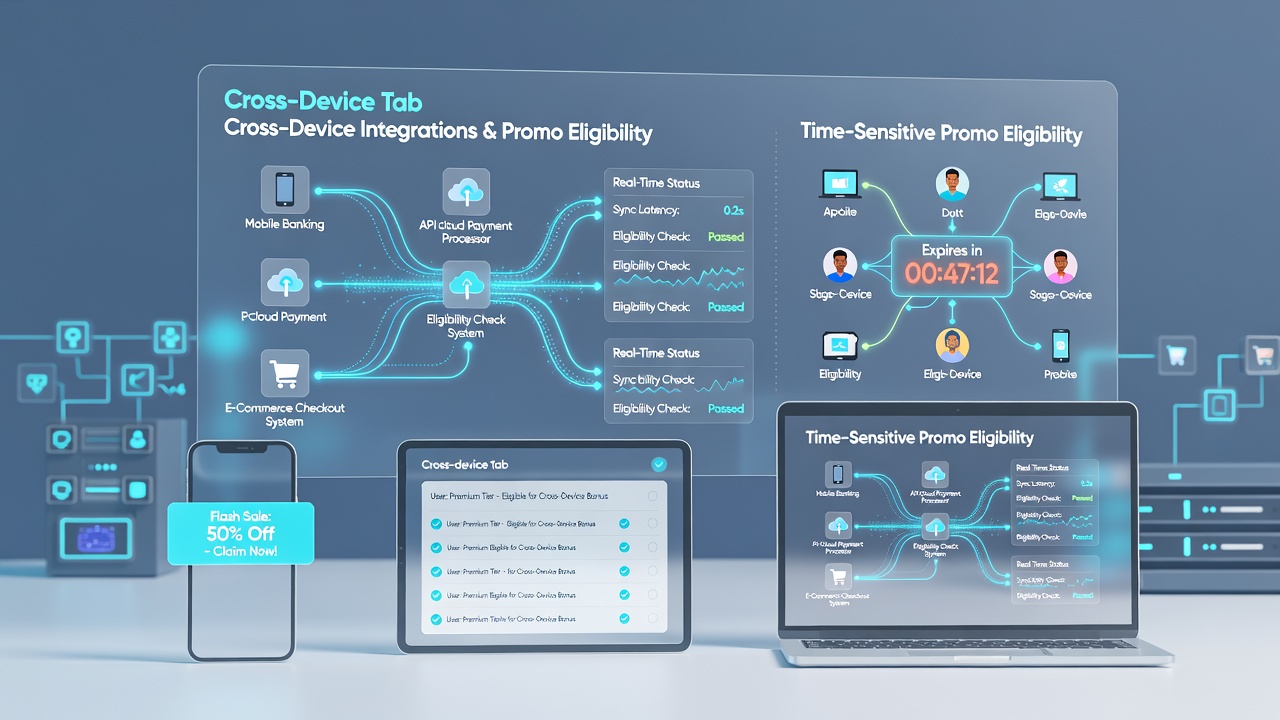
Networks spanning multiple jurisdictions must reconcile different regulatory clocks, and fintech connections handle this by embedding timestamp standards that convert local times into a unified eligibility reference. A promotion ending at midnight Eastern time registers the same cutoff for a user in Pacific time because the system translates the deadline automatically upon each login attempt.
Industry reports from the Canadian Gaming Association highlight that operators adopting unified timestamp protocols reduced cross-border eligibility errors by 41 percent in the twelve months ending June 2026. Device fingerprinting works alongside payment verification so the network recognizes the same account regardless of hardware, yet privacy controls limit data sharing to only what is required for eligibility confirmation.
Measured Impacts on Eligibility
Research indicates that real-time fintech layers shorten the average gap between deposit and eligibility confirmation from 47 minutes to under 90 seconds, and this compression allows more players to meet narrow time windows that previously expired during processing. Networks report higher redemption rates for same-day offers because the eligibility record persists across devices without manual intervention.
According to findings published by the Australian Institute of Criminology in early 2026, synchronized fintech systems lowered instances of lost promotional access due to device switching by 28 percent in monitored table game environments. The same study noted that operators gained clearer audit trails, since every eligibility change carries a payment transaction identifier rather than an anonymous session log.
Conclusion
Fintech integrations continue to tighten the relationship between funding events and promotional eligibility across cross-device table game networks, and regulatory bodies in multiple regions now require timestamp transparency for any offer that spans more than one device type. Continued adoption of standardized APIs suggests eligibility windows will become even more portable, while maintaining the time limits operators set for each promotion.