Seasonal Influences on Deposit Timing in Transnational Digital Gaming Environments
Ellis Long · Aug 12, 2026
Seasonal Influences on Deposit Timing in Transnational Digital Gaming Environments
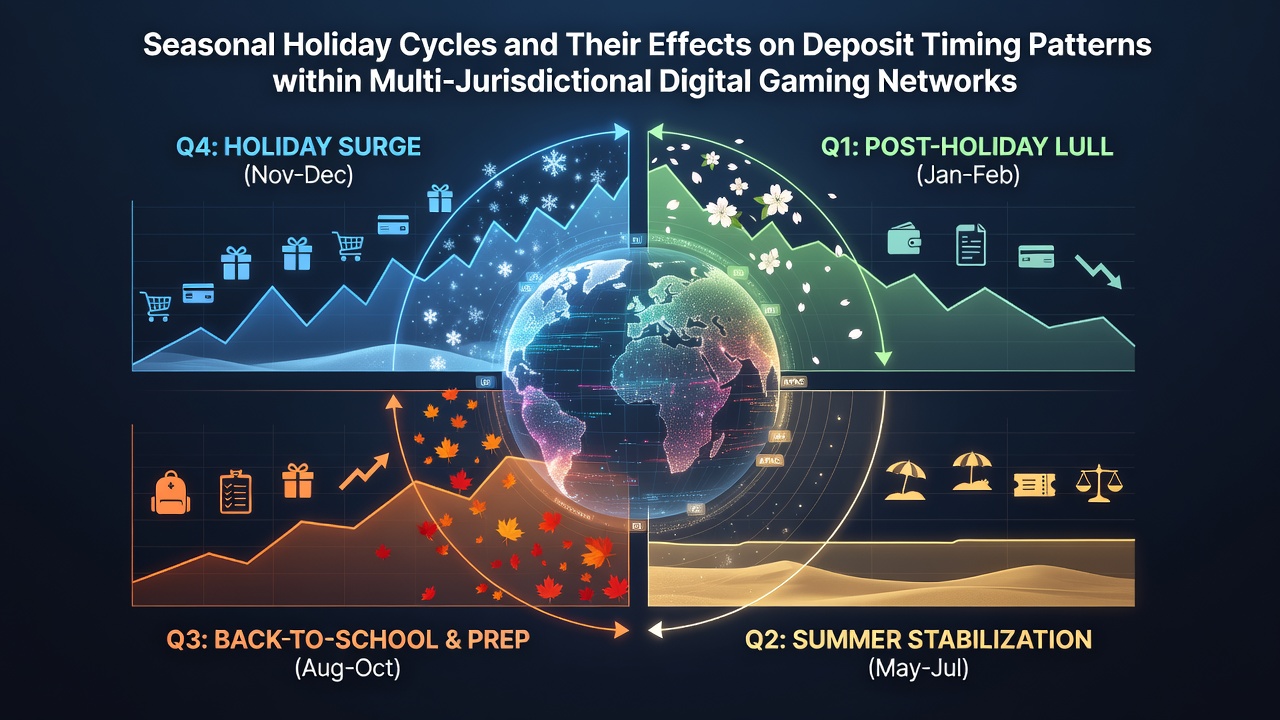
Digital gaming platforms operating across multiple jurisdictions experience noticeable shifts in deposit timing when holiday seasons arrive, and these changes follow consistent patterns according to transaction data compiled by industry analysts. Observers note that major holidays such as Christmas, New Year, and Easter coincide with increased funding activity in the days leading up to the events, while post-holiday periods often show a slowdown in deposits that extends into the following weeks. Researchers tracking these movements across European, North American, and Asian markets have documented how user behavior aligns with local calendars yet interacts with global network mechanics in unexpected ways.
Data from 2025 through mid-2026 reveals that platforms handling cross-border traffic see deposit volumes rise by measurable percentages during festive windows, yet the exact timing varies by region because local banking holidays and payment processor schedules create staggered effects. In jurisdictions where public holidays fall on different dates, the overlap creates brief spikes followed by plateaus, and network operators adjust server capacity accordingly to handle the load without delays.
Deposit Timing Shifts Across Major Holiday Periods
Christmas and New Year periods produce the most pronounced changes because they combine multiple days off with cultural spending traditions, leading users in many markets to schedule deposits earlier in December rather than waiting until the last minute. Transaction logs indicate that peak deposit hours shift from evening slots on weekdays to midday and afternoon windows during holiday weeks, a pattern that repeats across regulated markets in Canada, Australia, and several US states. August 2026 data from summer vacation periods showed similar but milder adjustments, with deposits clustering around mid-month pay cycles instead of aligning with any single holiday.
Easter and other spring holidays generate shorter but sharper surges in activity, particularly in European jurisdictions where school breaks extend family travel plans and alter routine access to mobile gaming apps. Payment processors report that same-day deposit options see higher utilization rates during these intervals, while scheduled recurring deposits sometimes get paused or advanced depending on user time zones.
Jurisdictional Variations and Network Responses
Multi-jurisdictional networks must navigate differing regulatory requirements for transaction reporting during holiday periods, and compliance teams adjust monitoring protocols to capture the increased volume without triggering unnecessary flags. According to records from the Malta Gaming Authority, operators licensed under its framework document seasonal deposit trends as part of routine operational reviews, noting that holiday-related spikes rarely exceed standard variance thresholds when averaged across all user segments. Canadian provincial regulators similarly track these patterns through aggregated reports submitted by licensed platforms, highlighting how interprovincial payment flows interact with national banking closures.
Network architects respond to these cycles by redistributing server resources and fine-tuning fraud detection algorithms to account for temporary changes in user velocity. One study from an academic research group at the University of Nevada examined transaction graphs from 2024 and 2025, finding that deposit timing clusters tighten during holidays even as total volumes increase, which reduces the window for real-time verification steps in some cases.
Payment Infrastructure and Cross-Border Effects
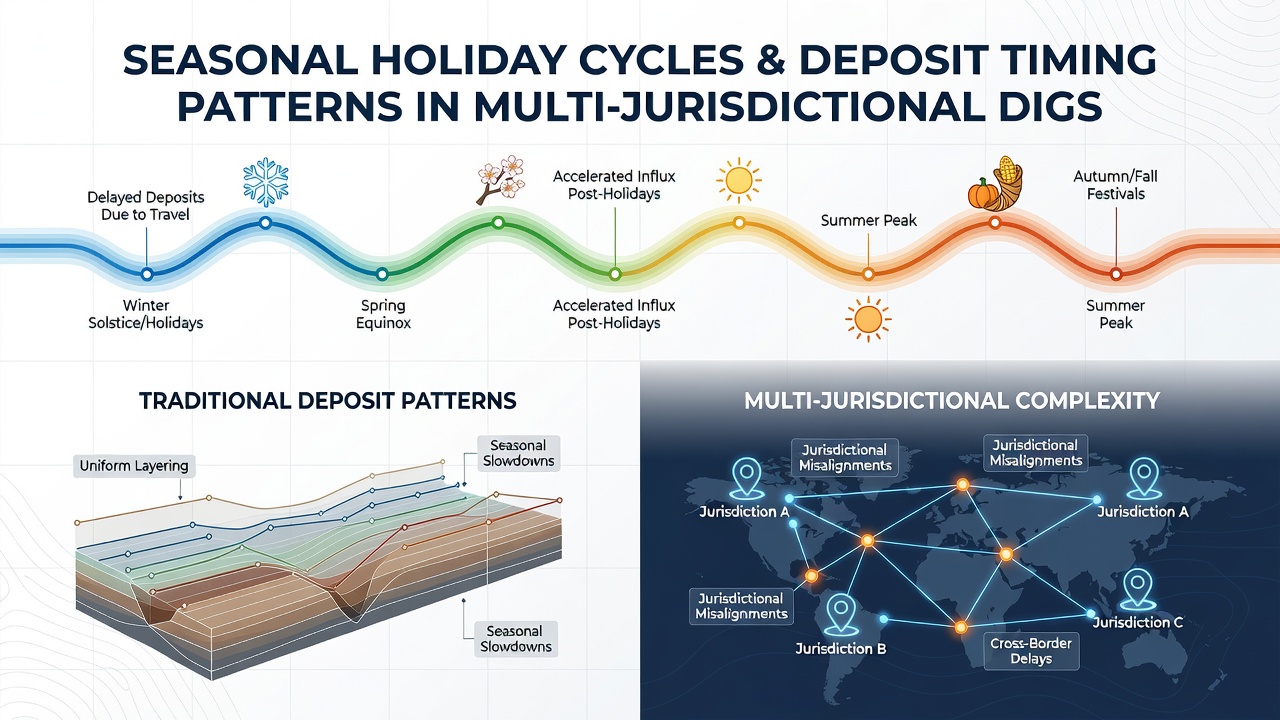
Banking holidays in one jurisdiction can delay settlement for users in another, creating ripple effects that push some deposits into the following business day even when local calendars remain open. Platforms operating in both the United States and European markets must reconcile these mismatches because ACH transfers and SEPA payments follow separate holiday schedules, leading to temporary imbalances in available funds across regional ledgers. Industry reports from the International Association of Gaming Regulators document how operators pre-fund settlement accounts ahead of known holiday clusters to maintain liquidity and avoid payout interruptions.
Digital wallet providers integrated into these networks experience parallel timing shifts, with users transferring balances into gaming accounts at different rates depending on whether their local currency markets observe the holiday. August 2026 transaction summaries showed elevated wallet-to-gaming transfers during the first two weeks of the month in markets experiencing school holidays, while later weeks reverted to baseline patterns once vacation periods ended.
Longer-Term Patterns and Platform Adaptations
Over multiple years, the same holiday cycles produce repeatable timing signatures that allow predictive modeling of deposit flows, and network operators incorporate these models into capacity planning and marketing calendar decisions. Regulated entities in Australia submit annual compliance summaries that include seasonal deposit metrics, revealing consistent pre-holiday acceleration followed by post-holiday deceleration across different platform types. Those who monitor these metrics across borders observe that mobile versus desktop access ratios also shift during holidays, with mobile deposits increasing as users travel or spend time away from fixed workstations.
Payment method preferences evolve during these periods as well, with credit card deposits rising in some jurisdictions while e-wallet usage grows in others due to promotional incentives tied to specific holidays. These preferences feed back into the overall timing patterns because certain methods clear faster than others, influencing when funds become available for play within the gaming environment.
Conclusion
Seasonal holiday cycles continue to shape deposit timing across multi-jurisdictional digital gaming networks through predictable yet regionally differentiated mechanisms, and ongoing data collection from regulators and operators refines understanding of these interactions. As platforms expand into additional markets, the need to align technical infrastructure with diverse holiday calendars remains a central operational consideration, supported by transaction records that span multiple years and geographic zones.