Tennessee Enacts Immediate Prohibition on Sweepstakes Casinos
Amir Lehmann · May 27, 2026

Tennessee Enacts Immediate Prohibition on Sweepstakes Casinos
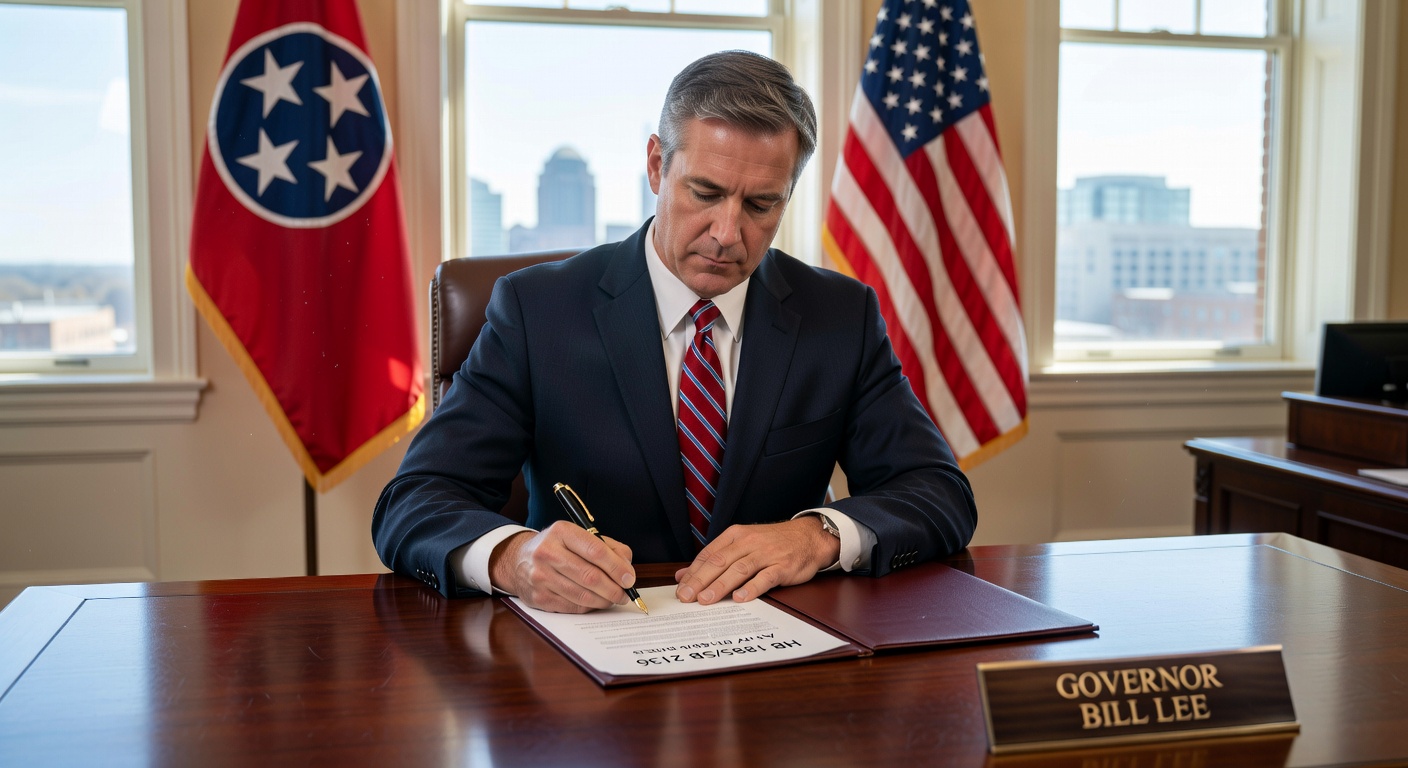
Governor Bill Lee signed HB 1885/SB 2136 into law, which classifies sweepstakes casinos as unlawful gambling under the state’s consumer protection statutes, and the measure took effect the moment the governor’s signature was applied. Multiple operators responded by withdrawing services from Tennessee residents without delay, while others announced complete exits from the market. The statute redefines certain online promotional gaming models as violations that fall under existing enforcement frameworks rather than creating an entirely new regulatory category.
Core Provisions of the Legislation
The bill amends consumer protection laws to treat sweepstakes casino platforms as unlawful gambling activities, and it extends the same restrictions that already apply to traditional casino games to these promotional formats. Sponsors designed the language to close perceived gaps that had allowed operators to offer cash-equivalent prizes through sweepstakes mechanisms, and the immediate effective date eliminated any transition period for compliance. Lawmakers tied the new classifications directly to existing statutes, which means the attorney general’s office gained clearer authority to issue orders without additional rulemaking steps.
Operator Withdrawals and Market Adjustments
Several platforms halted access for Tennessee IP addresses within hours of the signing, and others posted notices directing users to close accounts or redeem remaining balances before service termination. Observers tracking the sector noted that some companies shifted focus to states without comparable restrictions, while others paused all marketing campaigns aimed at Tennessee audiences. Data from compliance filings shows that at least four major operators had already begun service reductions before the final vote, yet the immediate effective date accelerated the remaining exits.
Users who logged in after the signing encountered messages explaining the new legal status and the requirement for platforms to cease operations, and many received instructions on how to request refunds for any unused credits. The coordinated pullback left few active alternatives inside state borders, though some smaller sites continued limited functionality while reviewing their legal positions. Industry reports compiled after the first week indicated that daily active users from Tennessee dropped sharply once the largest platforms completed their shutdown sequences.
Earlier Enforcement Actions by State Officials
The legislation followed a series of cease-and-desist letters issued by the attorney general’s office to specific operators, and those prior notices had already prompted several companies to limit features or exit voluntarily. Officials had argued that the sweepstakes model violated consumer protection rules even before the new bill, yet the statutory clarification removed ambiguity that operators had cited in earlier responses. Records from the attorney general show that multiple rounds of correspondence occurred throughout the preceding months, and those efforts created the foundation for the legislative response that ultimately passed both chambers.
Companies that received the earlier letters often adjusted prize structures or restricted access for Tennessee residents, but the new law eliminated the remaining interpretive space that some operators had used to continue partial services. Enforcement teams gained explicit authority to pursue additional remedies under the consumer protection framework, which includes civil penalties tied to the volume of prohibited activity. The sequence demonstrates how administrative actions and legislative changes worked together to produce the current statewide prohibition.
Impact on Tennessee Residents and Ongoing Access
Residents who had used sweepstakes platforms encountered sudden loss of access, and many turned to customer support channels for guidance on account closures or balance transfers. Some individuals reported receiving automated emails that directed them to state resources for questions about the legality of remaining balances, while others discovered that certain games had been disabled mid-session. The rapid transition left limited time for players to adjust strategies or transfer funds, and support volume at the affected companies increased noticeably in the days following the signing.
Those seeking alternative entertainment options found that regulated online casino products remain unavailable in Tennessee, and the new restrictions apply uniformly across promotional gaming formats that offer cash-equivalent prizes. Community forums documented user questions about whether similar platforms based in other jurisdictions could still serve Tennessee accounts, yet the statute’s broad language covers any operator that knowingly provides access to state residents. Enforcement priorities now include monitoring for continued offerings and pursuing remedies when violations are identified.
Legislative Context and Bill Details
HB 1885 and its companion SB 2136 moved through the General Assembly with language that explicitly names sweepstakes casino mechanics as unlawful gambling under consumer protection statutes, and the paired bills received final approval before reaching the governor’s desk. The full text of HB 1885/SB 2136 outlines the definitions and penalties that now apply, and it integrates those provisions into existing enforcement mechanisms rather than establishing a separate licensing structure. Sponsors emphasized alignment with long-standing state policy against unauthorized gambling, and the immediate effective date reflected the priority placed on rapid implementation.
Conclusion
The signing of HB 1885/SB 2136 produced an immediate restructuring of the sweepstakes casino landscape in Tennessee, and operators responded by withdrawing services across the board. Earlier cease-and-desist activity had already narrowed the field, yet the statutory change removed remaining interpretive flexibility and established clearer grounds for ongoing enforcement. Residents now operate under a uniform prohibition that treats these platforms as unlawful gambling, and state officials hold expanded tools to address any continued activity. The sequence from administrative letters to legislative action illustrates how enforcement and lawmaking combined to achieve the current outcome.