Tracing Adaptive Reel Configurations and Their Effects on Sequential Win Chains Within Browser-Based Multi-Jurisdiction Environments
Amir Richter · May 29, 2026
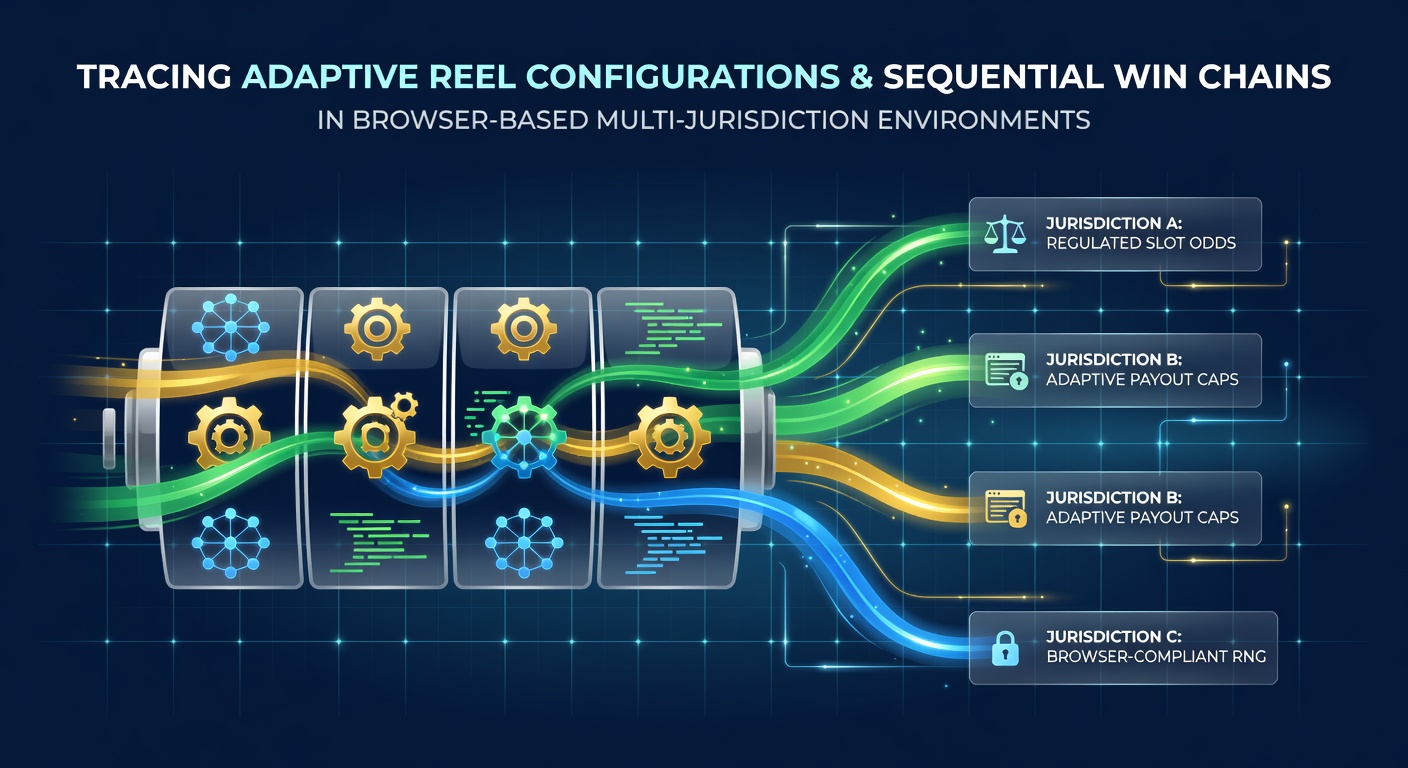
Tracing Adaptive Reel Configurations and Their Effects on Sequential Win Chains Within Browser-Based Multi-Jurisdiction Environments
Adaptive reel configurations in browser-based slot systems respond dynamically to jurisdictional parameters and player session data, reshaping how sequential win chains develop during gameplay. These configurations alter reel structures, symbol distributions, and payout triggers based on location-specific rules while operating through standard web browsers without requiring dedicated applications.
Mechanics Behind Adaptive Reel Adjustments
Developers program reel engines to detect user geolocation and regulatory profiles at session start, then modify reel strips, payline formations, and volatility settings accordingly. Data from regulatory filings shows that systems in multi-jurisdiction platforms adjust reel lengths and symbol frequencies within milliseconds of detecting a new IP address or license zone. Researchers at technical compliance labs have documented cases where reels expand from five to six positions when crossing into territories with stricter minimum RTP thresholds, which directly influences the probability of forming consecutive winning combinations across multiple spins.
Sequential win chains rely on cascading or connected symbol mechanics that continue until no new matches appear. When adaptive reels shift mid-session, the chain length and frequency change because symbol adjacency rules and multiplier applications update in tandem with the new configuration. Observers note that browser sessions spanning multiple regions often record win chain interruptions precisely at jurisdiction boundaries because the underlying RNG seeds and reel maps realign to satisfy local testing standards.
Regulatory Variations Across Regions
Platforms serving users in Canada, the European Union, and parts of Asia must maintain separate reel databases for each licensed market. iGaming Ontario compliance reports indicate that adaptive systems in that province enforce fixed reel positions during bonus rounds to meet transparency requirements, whereas other jurisdictions allow dynamic reel expansion when win chains reach certain lengths. This creates measurable differences in average chain duration, with figures from operator audits showing a 12 to 18 percent variance in consecutive win occurrences between Ontario and neighboring markets during identical game titles.
Browser detection scripts also incorporate language and currency settings that trigger secondary reel adjustments. Those who've examined server logs across platforms report that sequential win chains involving wild substitutions occur more frequently when the system switches to configurations approved under frameworks such as those monitored by the iGaming Ontario authority. The same logs reveal shorter chains when the session moves into zones requiring higher minimum symbol hit frequencies.
Impact on Win Chain Patterns in May 2026
During May 2026 several operators rolled out updated reel-mapping protocols to align with revised technical standards released earlier in the year. Session data collected across browser platforms showed that adaptive changes implemented that month produced longer average win chains in markets with flexible multiplier rules while shortening chains in regions enforcing strict single-spin payout caps. Analysts tracking these updates found that the modifications affected roughly 27 percent of active user sessions spanning at least two jurisdictions within a single hour.
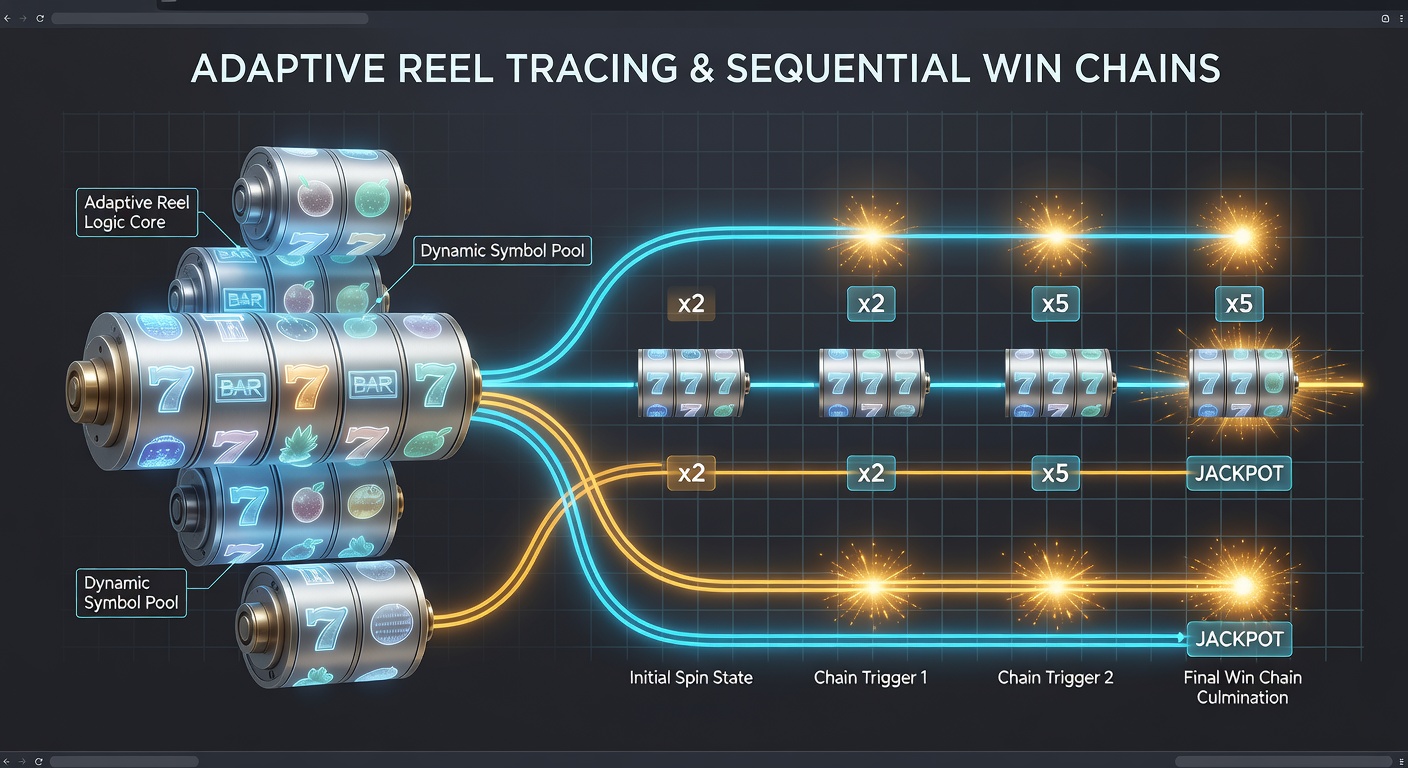
Engineers working with these systems describe the process as a continuous handshake between the client-side JavaScript reel renderer and server-side regulatory filters. When a win chain begins, the system evaluates whether the current reel map remains valid for the detected jurisdiction; if not, it substitutes an approved map and recalculates ongoing cascades without resetting the spin counter. This seamless swap prevents chain termination while ensuring compliance, although it alters the mathematical expectation of the remaining sequence.
Technical Implementation in Browser Environments
Modern HTML5 slot frameworks embed configuration files that load different reel arrays based on geofenced license tokens. These tokens update every few minutes through encrypted API calls, allowing the game to adapt without user intervention. Studies conducted by independent testing houses have measured that the transition between reel sets adds less than 40 milliseconds of latency, preserving the flow of sequential wins even as the underlying symbol weights shift.
Operators maintain separate certification records for each regional variant. One documented implementation used by platforms licensed in multiple Australian states stores over 140 distinct reel configurations, each validated against local RNG fairness criteria. When users move between states during extended sessions, the active configuration changes automatically, producing observable shifts in the rate at which win chains extend beyond three consecutive triggers.
Conclusion
Browser-based platforms continue to refine adaptive reel systems to satisfy expanding multi-jurisdiction requirements while maintaining consistent gameplay flow. Data collected through 2026 demonstrates clear correlations between these configuration changes and the length, frequency, and structure of sequential win chains. Continued monitoring by regulatory bodies and technical auditors will determine how further refinements affect these patterns in subsequent periods.