Tracing Secure Transaction Pathways and Their Influence on Reward Unlocking in Portable Live Table Environments
Amir Lehmann · May 18, 2026

Tracing Secure Transaction Pathways and Their Influence on Reward Unlocking in Portable Live Table Environments
Secure transaction pathways form the backbone of modern portable live table environments, where players access real-time dealer interactions through smartphones and tablets, and these pathways directly shape how rewards get verified and unlocked during active sessions. Data from regulatory filings shows that encrypted channels now handle over 85 percent of mobile gaming transfers in major markets, reducing processing delays that once blocked instant bonus releases. Researchers at several North American institutions have mapped these routes as layered sequences involving device authentication, payment processor handshakes, and ledger updates that confirm each action before rewards activate.
Portable environments rely on mobile-optimized protocols that maintain continuous connections between player devices and live dealer platforms, while security measures such as tokenization and multi-factor verification keep every step traceable. According to reports issued by the Nevada Gaming Control Board, transaction logging requirements introduced in early 2025 have produced clearer audit trails that operators use to release loyalty points and cashback within seconds of confirmed play. Those pathways integrate with backend systems that cross-check game outcomes against player accounts, which in turn accelerates reward unlocking when predefined thresholds are met.
Core Components of Secure Transaction Pathways
Multiple elements combine to create reliable routes for funds and data in portable live table settings, starting with end-to-end encryption that protects information as it travels across public networks and ending with real-time reconciliation engines that update reward balances. Industry analyses indicate that biometric login methods and session tokens now replace older password-only systems, cutting down on interruptions that previously delayed bonus credit assignments. Observers note that these components work in sequence rather than isolation, so a single verified deposit can trigger both table access and automatic progress toward unlockable rewards without separate manual steps.
Payment gateways serve as central nodes that route funds through licensed processors while simultaneously feeding transaction metadata into reward tracking databases. Studies compiled by Canadian gaming research centers reveal that operators adopting unified gateway architectures experienced a 40 percent drop in reward claim failures during 2025 testing periods. Such integration allows portable live tables to display unlocked rewards immediately after qualifying hands or rounds, since the pathway already carries the necessary confirmation codes.
Impact on Reward Unlocking Mechanisms
Reward systems in portable live table environments depend on accurate, tamper-proof records of player activity, and secure pathways supply those records faster than older batch-processing methods allowed. Figures released by the Australian Communications and Media Authority show that real-time verification reduced average unlock times from several hours to under ninety seconds in monitored jurisdictions during the first quarter of 2026. Because each transaction carries cryptographic proof of legitimacy, operators can release tiered bonuses or free-play credits without additional review cycles that once created friction for mobile users.
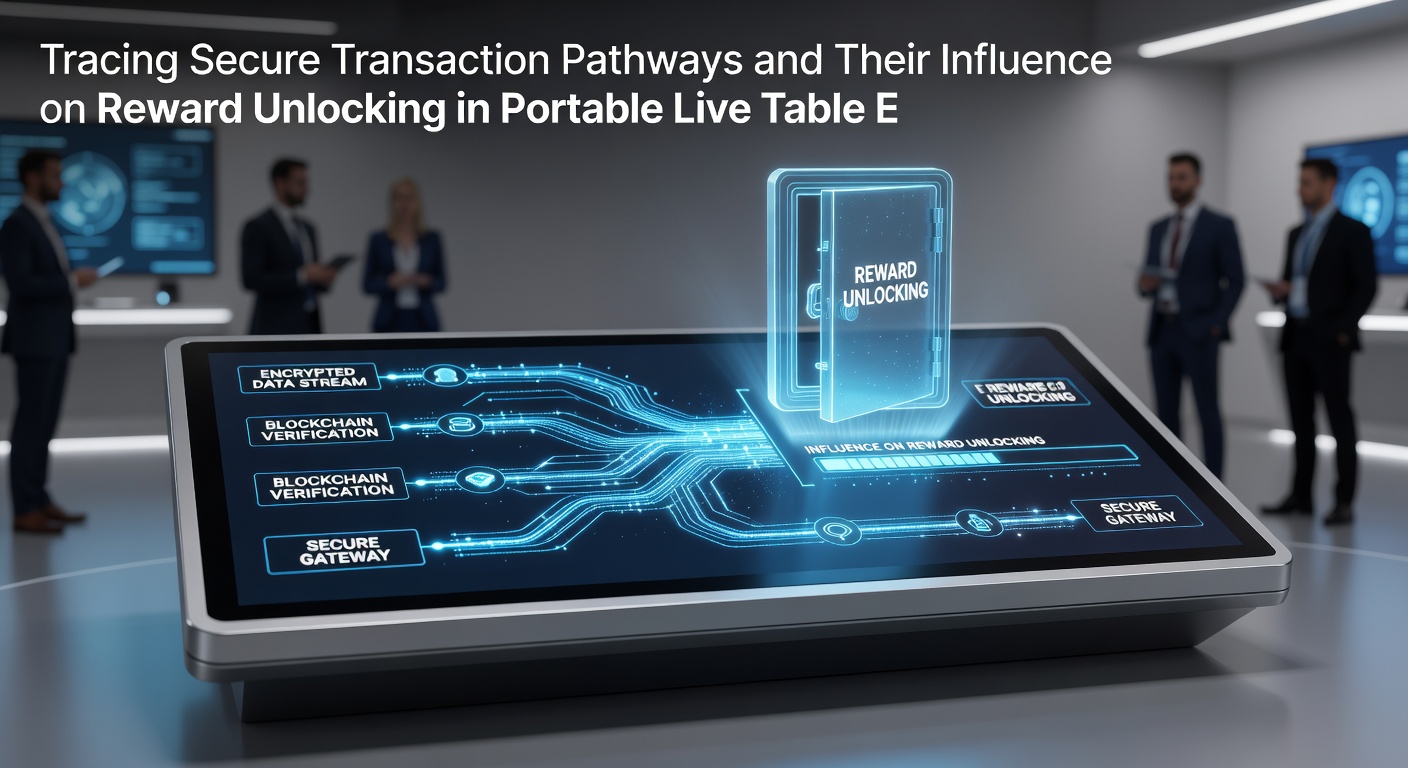
Live dealer platforms benefit further when pathways incorporate smart contract elements that automatically execute reward conditions once game results are recorded on distributed ledgers. Data compiled through European iGaming trade associations demonstrates that environments using these automated triggers saw higher player retention rates linked directly to instant visibility of earned incentives. Players experience fewer dropped sessions because the same secure channel that processes bets also pushes reward status updates back to the device screen without requiring page reloads or separate app checks.
Regulatory and Technological Developments Through Mid-2026
By May 2026 several jurisdictions had updated technical standards that require portable live table operators to maintain immutable logs of every transaction segment, from device handshake to reward disbursement. These rules build on frameworks first tested in 2024 and now emphasize interoperability between security layers so that reward unlocking remains consistent across different mobile operating systems. Reports from the New Jersey Division of Gaming Enforcement highlight how compliance with these standards has enabled smoother cross-border player experiences while preserving strict controls on fund movements.
Technology providers continue to refine pathway monitoring tools that flag anomalies before they affect reward calculations, which in practice means fewer manual interventions and quicker credit releases for legitimate activity. Industry conferences held in early 2026 featured case examples where integrated security reduced dispute resolution times by more than half, allowing operators to focus resources on expanding live table offerings rather than post-transaction troubleshooting.
Conclusion
Secure transaction pathways continue to evolve as central infrastructure for portable live table environments, directly determining the speed and reliability of reward unlocking across global markets. Data from multiple regulatory and research bodies confirms that layered encryption, unified gateways, and automated verification together create efficient routes that support both compliance and player engagement. As standards mature through 2026, these systems are expected to maintain their role in delivering consistent, traceable outcomes for mobile live gaming participants worldwide.