Transaction Processing Windows Reshaping Participation in Time-Bound Mobile Slot Events
Amir Lehmann · Aug 17, 2026
Transaction Processing Windows Reshaping Participation in Time-Bound Mobile Slot Events
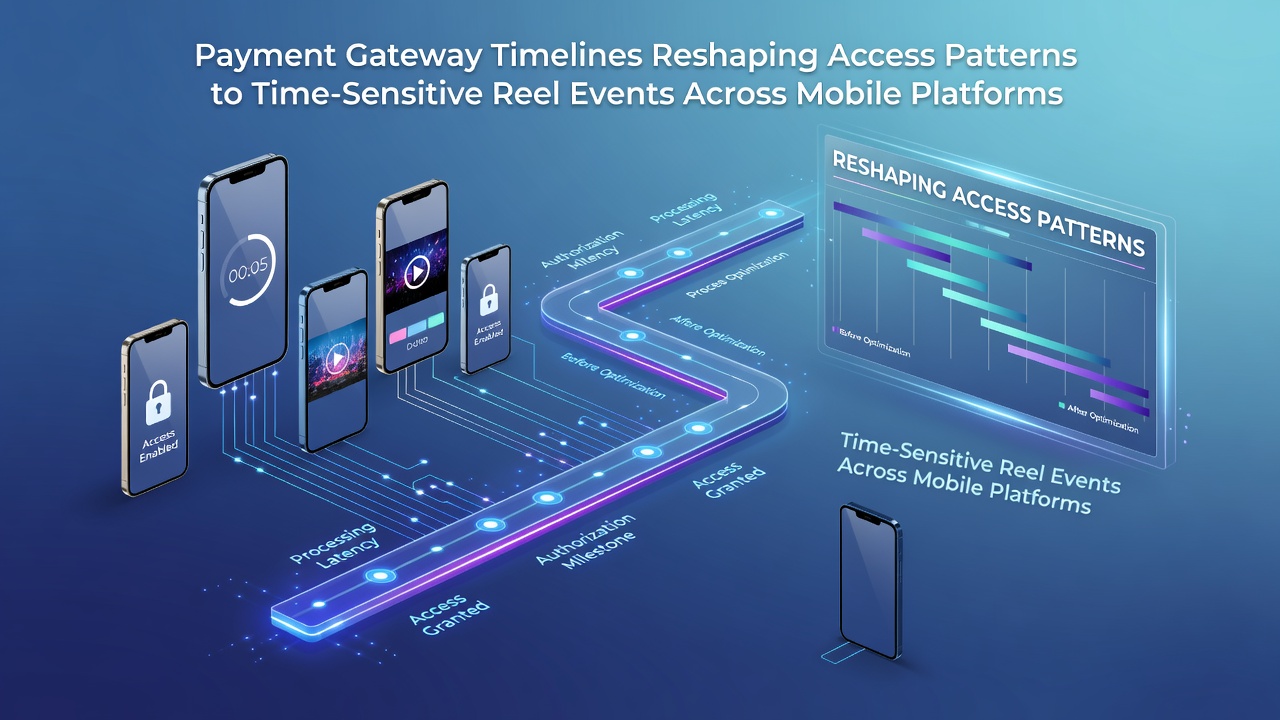
Payment gateway timelines have begun to alter how users reach time-sensitive reel events on mobile platforms, with processing delays directly affecting entry into limited-duration slot promotions and tournaments. Data from multiple jurisdictions shows that average deposit confirmation periods range from 15 seconds to several minutes depending on the method selected, and those intervals determine whether participants can join events that open and close within narrow windows. In August 2026, platform analytics indicated a measurable drop in participation rates for events lasting under 30 minutes when slower gateways were used.
Processing Speed Variations Across Payment Methods
Traditional card payments often complete authorization in under 10 seconds on optimized networks, whereas certain e-wallet transfers and bank redirects require 45 to 90 seconds before funds appear in player accounts. Observers note that this gap becomes critical during flash reel events where registration closes once a set number of entrants is reached or after a fixed countdown. Mobile operators report that users attempting deposits via slower rails frequently miss the cutoff, shifting overall engagement patterns toward faster instant methods.
Research indicates that in regions with high mobile penetration, the preference for instant payment options has risen steadily since early 2025. Figures from the European Gaming and Betting Association reveal that instant bank transfer volumes grew 28 percent year-over-year through the first half of 2026, coinciding with increased promotion of time-limited slot features. Those who study player behavior observe that participants now factor gateway speed into their choice of deposit method well before events begin.
Regional Regulatory Influences on Gateway Performance
Regulatory frameworks in different territories impose distinct settlement requirements that indirectly shape access patterns. Australian state regulators, for example, mandate specific verification steps for larger transactions, extending processing times by 20 to 40 seconds on average. Similar rules in Canadian provinces create parallel effects, leading operators to prioritize gateways that meet both compliance and speed thresholds. Data shows these regional differences produce measurable variation in participation rates for cross-border mobile users attempting the same event.
One study released by the University of Nevada, Reno examined transaction logs from multiple platforms and found that events scheduled during peak banking hours experienced higher abandonment rates when slower gateways dominated user selections. The analysis covered activity through mid-2026 and highlighted how settlement windows interact with event timing to influence outcomes.
Platform Adaptations and User Behavior Shifts
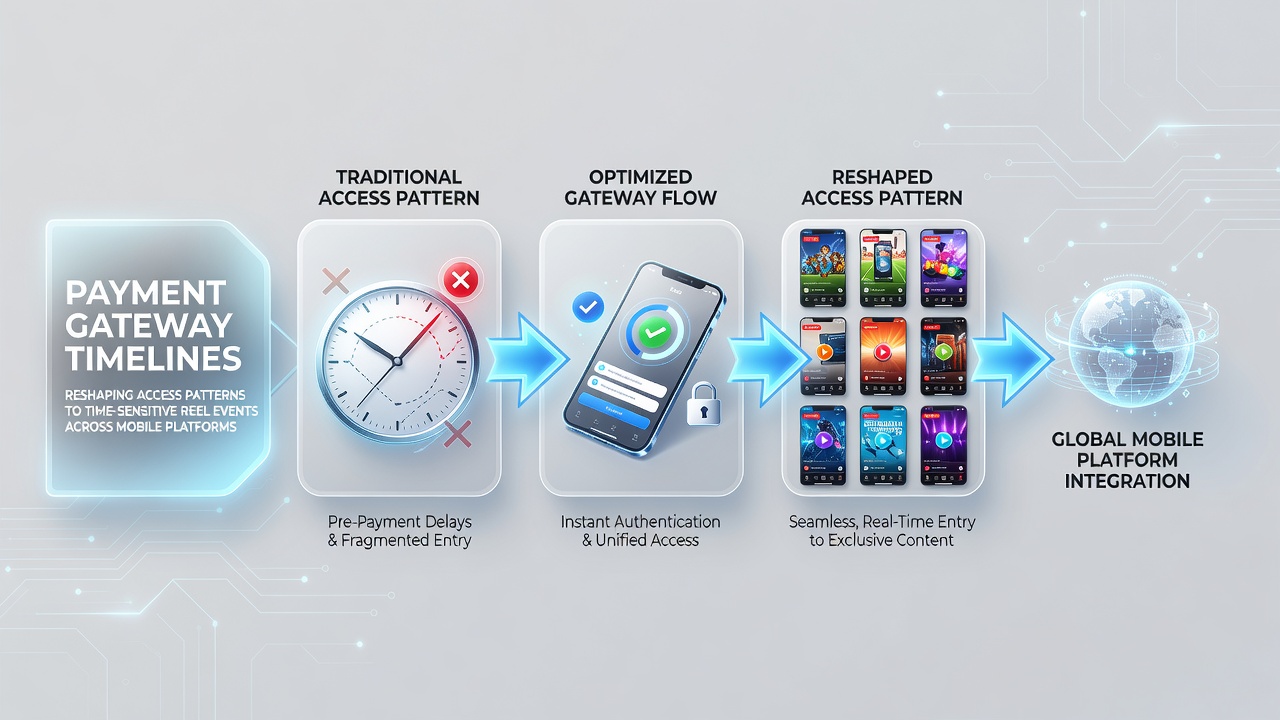
Mobile platforms have responded by integrating gateway selectors that display estimated confirmation times before users commit funds. These tools allow participants to choose faster rails when targeting events with tight windows, and early adoption metrics suggest improved completion rates for those who utilize the feature. Yet the same dashboards show that a significant portion of users still default to previously saved methods, resulting in missed entries during high-demand periods.
What's interesting is how these patterns extend beyond single events. Aggregated data indicates that users who experience repeated delays begin pre-loading balances or switching primary gateways, creating longer-term changes in payment preferences. Industry reports from the Asia Pacific Gaming Association document similar trends across several markets, with pre-funding becoming more common ahead of scheduled reel promotions.
Conclusion
Payment gateway timelines continue to interact with the structure of time-sensitive reel events, producing measurable effects on mobile access patterns. As platforms refine their tools and regulators maintain oversight of transaction processes, the relationship between processing speed and event participation remains a central factor in how users engage with limited-duration slot offerings. Continued monitoring of these dynamics will show whether further optimizations narrow the gaps currently observed across different methods and regions.