Uncovering Patterns in Payment Processor Partnerships That Drive Promotional Variety Across American Digital Casino Landscapes
Greta Wagner · Jul 17, 2026
Uncovering Patterns in Payment Processor Partnerships That Drive Promotional Variety Across American Digital Casino Landscapes
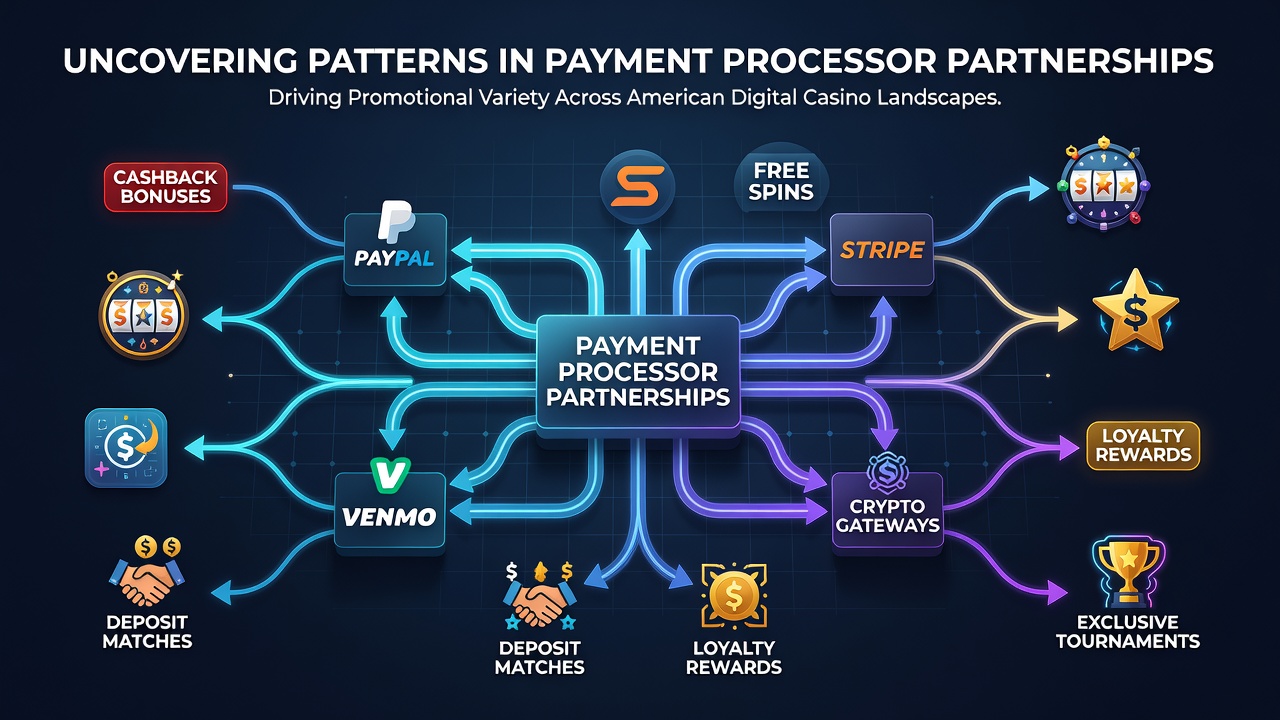
Payment processor partnerships shape how operators structure bonuses and rewards in American digital casino markets, and recent data reveals distinct patterns tied to state regulations and transaction technologies. Operators in New Jersey, Pennsylvania, and Michigan rely on specific processors to unlock deposit matches, free play credits, and loyalty tiers that differ sharply from one jurisdiction to another. Figures released in July 2026 by state gaming authorities show that casinos using multi-processor integrations reported up to 35 percent more active promotional campaigns than those limited to single-provider agreements.
State Regulations Set the Framework for Processor Choices
Each regulated state imposes its own licensing and compliance rules that directly affect which payment methods operators can promote. The New Jersey Division of Gaming Enforcement requires detailed reporting on transaction volumes and fees, which encourages partnerships with processors that offer transparent audit trails and rapid settlement. Pennsylvania's gaming board applies similar oversight while allowing greater flexibility for ACH transfers and certain digital wallets. Those differences create measurable variety in the types of welcome offers and reload bonuses that appear on player accounts.
Operators adjust bonus percentages and wagering requirements based on the cost structures embedded in each processor agreement. Lower interchange fees from select partnerships often translate into higher match rates or extended expiration windows on promotional credits. Data from industry reports indicates that casinos maintaining relationships with at least three distinct processors ran more segmented campaigns targeting high-volume and casual players separately.
Traditional Networks Versus Emerging Digital Options
Visa and Mastercard remain dominant in many markets, yet their partnerships now coexist with ACH providers, PayPal, and cryptocurrency gateways. Research from the American Gaming Association highlights that platforms integrating crypto processors introduced cashback promotions unavailable through card-only systems in the same states. The speed of blockchain confirmations allows operators to release bonus funds within minutes rather than hours, which in turn supports time-limited offers that reset daily or weekly.
Patterns emerge when comparing transaction data across devices. Mobile-first casinos using instant settlement processors show higher uptake of free spin bundles and progressive jackpot contributions tied directly to deposit size. Desktop-heavy sites that favor traditional card processing tend to emphasize loyalty point multipliers instead. Observers note these distinctions align closely with the fee schedules and risk profiles negotiated in each processor contract.
Regional Data Reveals Clear Partnership Trends
State-level statistics compiled through mid-2026 demonstrate consistent correlations between processor diversity and promotional breadth. Michigan operators that added a second digital wallet provider after 2025 expanded their bonus catalogs by an average of 22 percent within six months. Similar expansions occurred in Pennsylvania when ACH partnerships were strengthened, resulting in more tiered deposit offers that scale with player tenure.
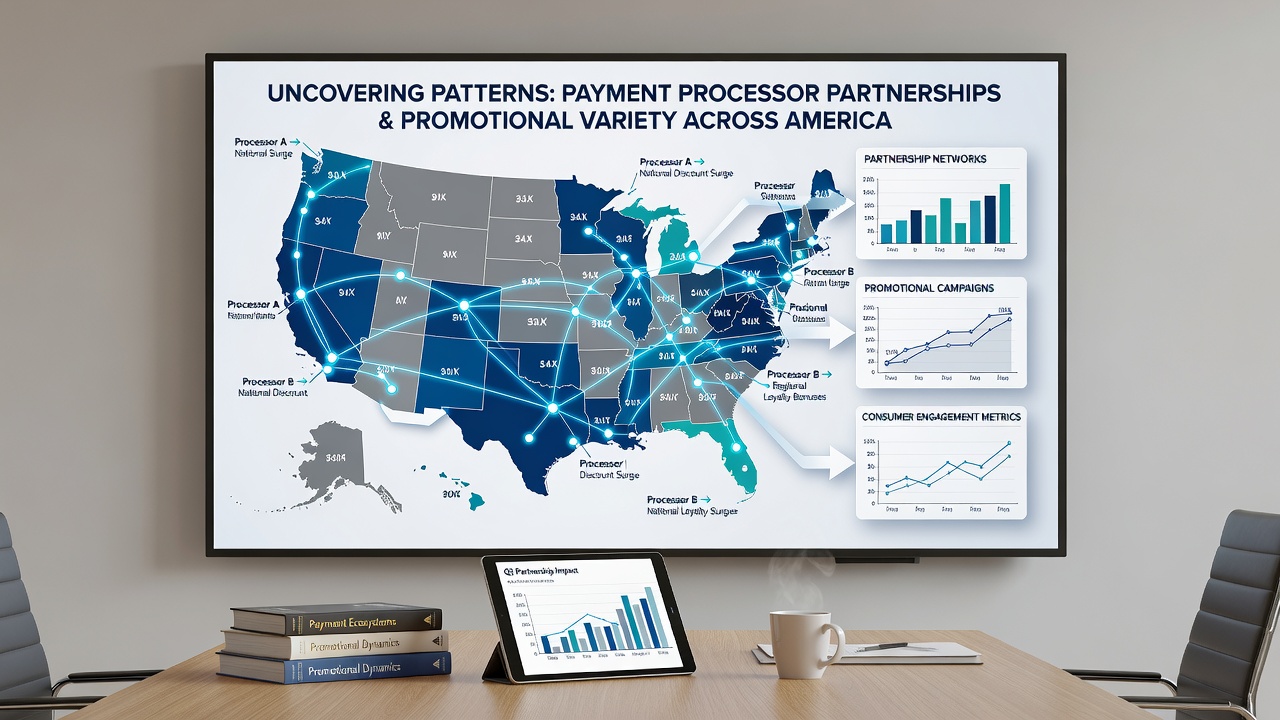
Cross-border comparisons add further context. Canadian regulatory summaries and Australian market analyses both point to parallel dynamics where multi-processor access supports localized bonus structures that reflect currency and banking preferences. Within the United States, these same principles appear in how New Jersey and Michigan operators tailor reload bonuses to regional player behaviors documented in monthly transaction logs.
How Fee Structures Influence Bonus Design
Processor agreements typically include tiered pricing that rewards higher monthly volumes with reduced per-transaction costs. Casinos pass portions of those savings into player-facing promotions, creating visible differences in cashback percentages and minimum deposit thresholds. Studies conducted by academic researchers at the University of Nevada, Las Vegas found that sites negotiating volume-based discounts ran more frequent limited-time offers, while those locked into fixed-rate contracts maintained steadier but less varied reward schedules.
Security and compliance requirements also factor into partnership decisions. Processors certified for real-time fraud monitoring enable operators to offer instant bonus redemptions without extended verification delays. This capability supports flash promotions tied to sporting events or seasonal campaigns that appear only in states where the necessary processor certifications are already in place.
Conclusion
Payment processor partnerships continue to define the range and timing of promotional offers available to players across regulated American digital casino markets. Data collected through July 2026 confirms that operators with broader processor networks deliver greater variety in bonus types, redemption speeds, and segmentation strategies. These patterns reflect the combined influence of state regulations, fee negotiations, and technological capabilities embedded in each agreement. As additional states finalize online gaming frameworks, the same partnership dynamics are expected to shape promotional offerings in those emerging jurisdictions as well.